
Evil Penevil
-
Posts
7,304 -
Joined
-
Last visited
-
Days Won
332
Content Type
Profiles
Forums
Events
Everything posted by Evil Penevil
-

Road Rage and Its Aftermath
Evil Penevil replied to Evil Penevil's topic in General Discussion about Pattaya
His daughter didn't witness the actual "road rage" incident, but she did see him get punched out by the Thai guy. That must have been traumatic indeed. She's the only one for whom I feel sorry. The Brit and the Thai deserve whatever they get. I have relatives in LE in the U.S. and the U.K. and I shared the videos with them. On both sides of the Atlantic, they were amazed that the Thai cops let the two parties get close enough that one could punch the other. They said it's Policing 101 to keep them apart. The U.S.side was also amazed the Thai guy wasn't immediately put in cuffs. In the U.S., he would have been forced to the ground, then handcuffed and immediately transported to jail. Evil -
Cobra Gold 2018 (updated Jan. 17, 2018)
Evil Penevil replied to Evil Penevil's topic in General Discussion about Pattaya
Nothing I write is ever fake news. I hope you'd dare to say that to my face and not just from behind a cloak of invisibility on the Internet. In the 1980s. the P4P scene in Pattaya was much, much smaller than it is today. There was only a small number of go go bars , MPs, etc. Even then. Cobra Gold had little to no effect, as the number of U.S. military who had shore leave in Pattaya wasn't that large. In the early 1980s, the visits by U.S. carrier groups had the potential to have an effect on the P4P scene, but girls were bussed in from Bangkok to handle the expected extra demand. For the most part, they weren't needed. In recent years. there have been so many restrictions on U.S. military personnel visiting Pattaya that you'll hardly notice them. Evil -
Discussions and reviews about Cajun food tend to get complicated because much of what is called "Cajun" really isn't. Cajun cuisine was hardly known outside of Louisiana until the 1980's when it was made famous by celebrity chefs like Paul Prudhomme and Emeril Lagasse. However, what they served up in their restaurants and on their TV shows wasn't traditional Cajun food but a fusion between Creole and Cajun styles plus plenty of their own original touches. For example, blackening is a cooking technique associated with Cajun cuisine thanks to Prudhomme and his "blackened redfish," a dish which became a national craze 40 years ago. Thing is, blackening is a technique Prudhomme invented and which had no basis whatsoever in Cajun cooking. It was- and is- a delicious way of preparing fish and other proteins, but it sure wasn't Cajun. Authentic Cajun food was heavy and bland. To make it more appealing and acceptable to a broader public, the New Orleans' celebrity chefs "kicked things up a notch." They added a lot of bold flavors and spices. Other, lesser-known chefs took things even farther. Cajun food is often regarded today as fiery hot along the lines of some Mexican, Indian and Szechuan dishes, but that isn't true historically. That's purely a modern twist. And I haven't even gotten into the difference between Cajun and Creole cuisine! Evil
-
For those of you who like to plan ahead. Keep in mind, Cobra Gold has no effect on prices or the availability of girls, nor have U.S. military personnel been very noticeable the past couple of years. Evil US, Thailand plan Cobra Gold 2018 19 Oct 2017 at 04:04 Thailand and the US will launch the next Cobra Gold drill, the biggest annual multilateral military exercise in the Asia-Pacific, on Feb 13-23 next year, with 29 participating countries and more than 12,000 military personnel, according to the Royal Thai Armed Forces (RTAF) headquarters. Cobra Gold 2018 will be held at the army's Surathampitak and Suranaree military camps and the air force's Wing 1 in the northeastern province of Nakhon Ratchasima. Air and marine exercises will take place at the navy's air division and U-tapao airport in the eastern province of Rayong, the Sattahip naval base in Chon Buri and the navy's training ground in Chanthaburi. The seven countries participating in full in the exercises will be the US, Thailand, Singapore, South Korea, Indonesia, Japan and Malaysia. Ten countries will join the drill as observers -- Brunei, Laos, Cambodia, Myanmar, Vietnam, Germany, Pakistan, Sri Lanka, Brazil, and Sweden. The 10 nations which are part of the Multinational Planning Augmentation Team -- Australia, Canada, France, the United Kingdom, Bangladesh, Mongolia, Nepal, the Philippines, Fiji and New Zealand -- will also take part. Two other countries -- China and India, will also join. Thailand will send 5,600 personnel while 5,800 will come from the US, 200 from South Korea, 146 from Japan, 68 from Indonesia, 50 from Singapore, and 44 each from China and India. Supreme Commander Gen Thanchaiyan Srisuwan will preside over a ceremony to launch Cobra Gold 2018 on Feb 13, at the Royal Thai Navy SEAL headquarters in Chon Buri's Sattahip district. The field exercises will include amphibious landing drills, and the Non-combatant Evacuation Operation on Feb 17, 2018 at Hat Yao in Sattahip and the navy's air division in Rayong. The humanitarian civic action and humanitarian assistance/disaster relief drills will be held on Feb 22 in Chachoengsao and the Combined Arms Live Fire Exercise will be organised in Chanthaburi on Feb 23. Thailand will send five Gripen JAS39 jets, 15 F-16s, four L39 jets, four Alpha Jets, one C-130 military transport aircraft and one EC725 helicopter. Meanwhile, the US will send six F-16CM jets, 10 F-18D jets, two C-130J and two C-130H. The US amphibious assault ship USS Bonhomme Richard will also join the exercise that will take place in the upper Gulf of Thailand. Please credit and share this article with others using this link:https://www.bangkokpost.com/news/politics/1344926/us-thailand-plan-cobra-gold-2018. View our policies at http://goo.gl/9HgTd and http://goo.gl/ou6Ip. © Post Publishing PCL. All rights reserved.
-
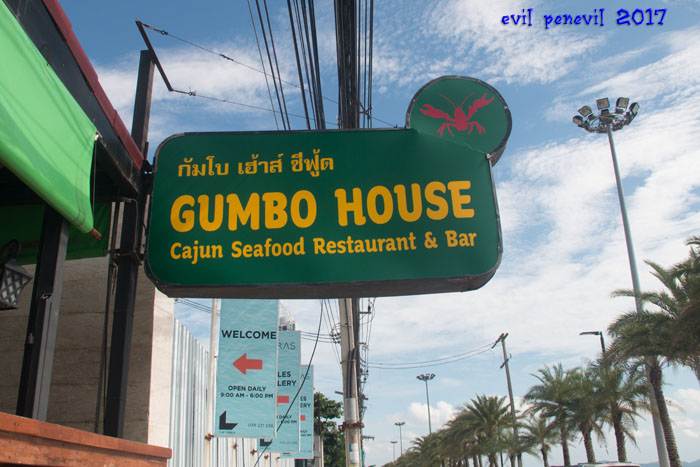
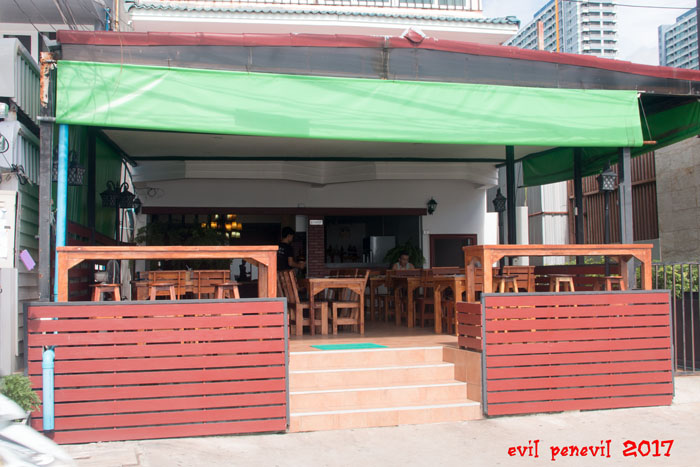
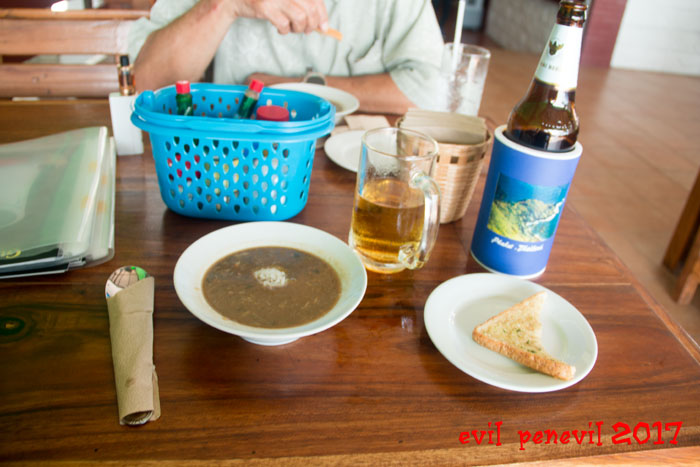
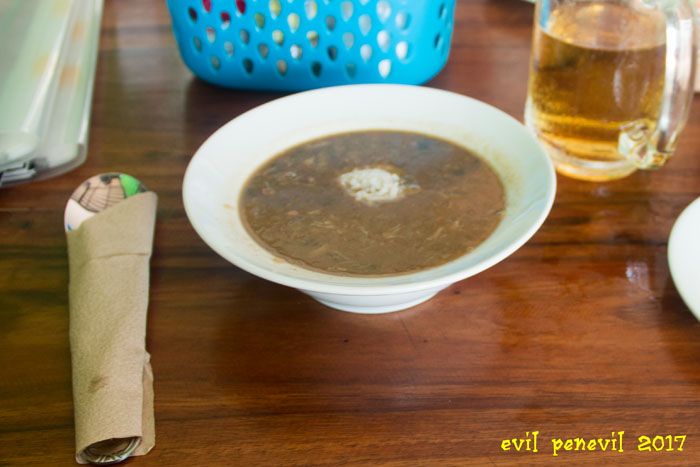
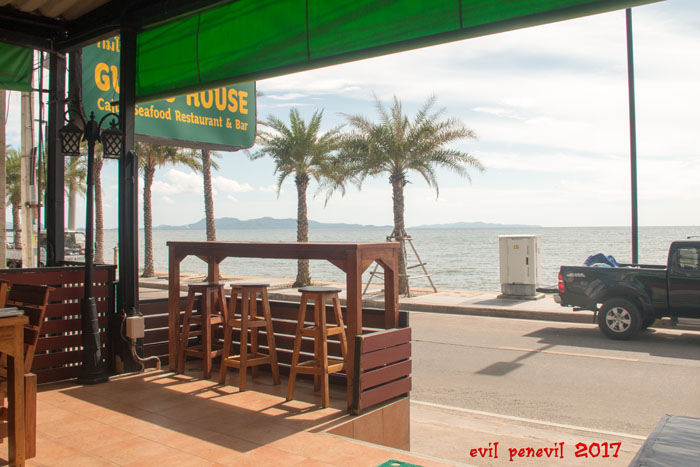
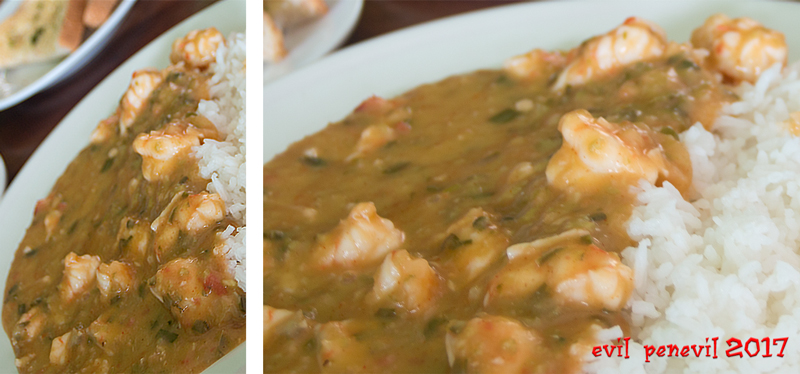
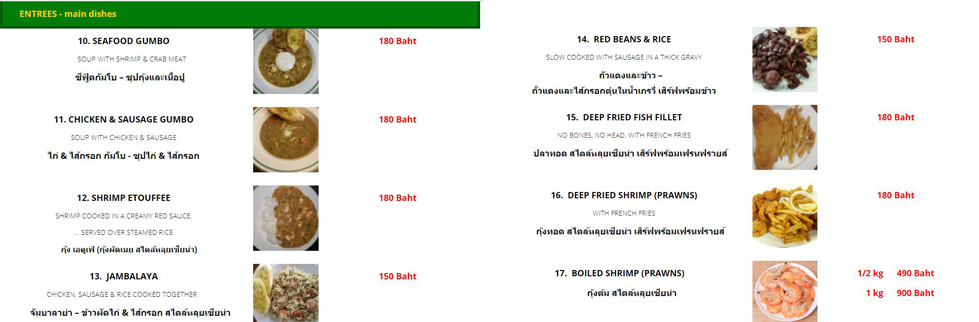
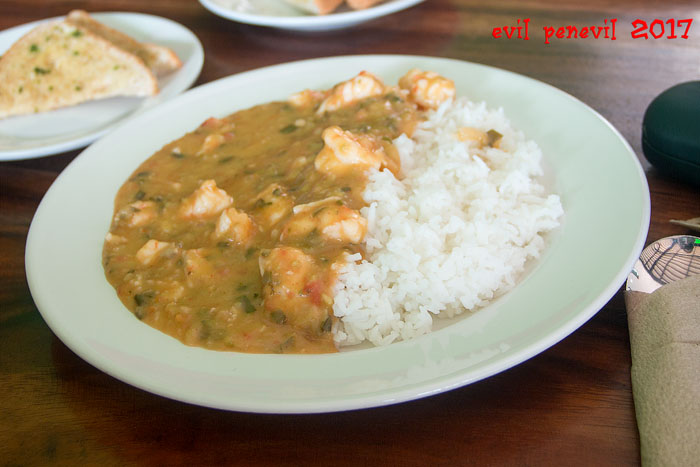
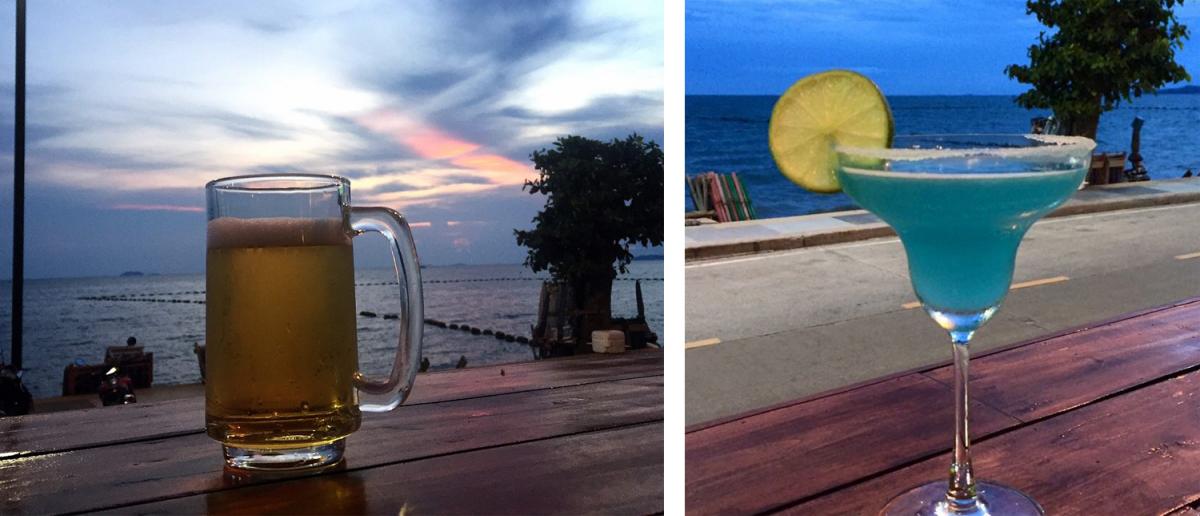
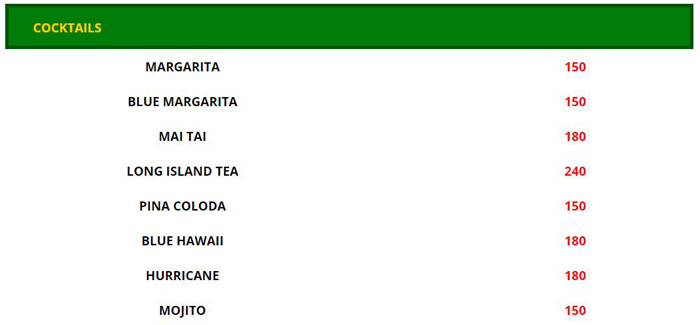
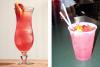
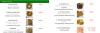
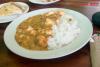
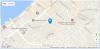
The Gumbo House Cajun Seafood Restaurant & Bar is a small restaurant towards the south end of Jomtien Beach Road. I'll post a map at the end of the review. It's been open since May and is operated by an American man from Louisiana and his Thai wife. According to the Gumbo House Website: "We're from Louisiana and we brought our love of Louisiana's Cajun food and our Cajun recipes with us to Thailand. We're also Thai, so, we serve Thai food for those of us who can't go a day without our famous local delicacies." As the name proclaims, it is focused on Cajun cuisine and seafood, but also has an extensive menu of Thai dishes. It's open from 11.00 a.m. to 9.00 p.m. I'm not going into too much background in this review, but Cajun is a regional style of cooking that originated among French settlers called Acadians who had been kicked out of Canada in the mid-1700s. For at least 150 years they lived an isolated existence in Louisiana's swamps and bayous, eking out a living under tough circumstances. They spoke a dialect of French and kept very much to themselves, developing their own cuisine, music and folkways. Except for some parishes (counties) in Louisiana, Cajun cooking was largely unknown in the U.S. before the 1980s. I'll give more background in a separate post. The Gumbo House does seem a good place to enjoy a cocktail and watch the sun go down. From the GH Website: The cocktails at GH aren't expensive. I noticed the list feature the Hurricane, a sweet, fruity cocktail that's almost become a symbol for New Orleans but is seldom served elsewhere. It consists of equal portions of light rum, dark rum and passion fruit syrup, plus orange juice and a splash of lime for extra flavor. In the Big Easy, it's often served in special glasses shaped like hurricane lamps. However, New Orleans city law allows the consumption of alcohol in public and for drinks to be carried from bars, but not in glasses. Many Hurricane cocktails are therefore sold in plastic cups, especially during Mardi Gras. I had lunch Tuesday with MM at the Gumbo House (many thanks for picking me up! ). We were both eager to see what such a rarity as a Cajun restaurant in Pattaya would have to offer. There's a two-fold problem with Cajun cooking: 1) much of what is called Cajun cooking really isn't; and 2) "authentic" doesn't necessarily mean "delicious" or even "good." Plenty of authentic regional dishes in all cuisines taste horrible to outsiders. So to cut to the chase: Was the cuisine at Gumbo House authentic? Yes, it was. Was it good? Well, I won't be rushing back to try it again. I wanted to like the Gumbo House, I really did, as it's always a positive thing to support small, family-run businesses that try something new. I would rather be writing a rave review, but I can't. The best that can be said about the food we had is that it was average. It didn't taste bad; it just didn't taste much at all. And there were a couple of misses in the service that didn't make things better. Here's an excerpt from the Gumbo House menu: The appetizers are smaller servings of main courses- and that's a good idea when it comes to an unfamiliar cuisine like Cajun. The diner can try more of it that way. MM ordered the chicken and sausage gumbo as his starter and I chose the seafood gumbo. He went for the shrimp étouffée as his main and I asked for the jambalaya. Gumbo and jambalaya are the two dishes most closely associated with Cajun cooking and étouffée would come a close third. After a few minutes, the young waiter came back to say the jambalaya was "finished." That's unlikely, since we there at 1.30 p.m. and the restaurant had opened at 11.00 a.m. It probably would have been more accurate to say it hadn't finished cooking, or even that it hadn't started cooking. Anyway, I ordered the étouffée instead. Gumbo is a thick soup and Cajun gumbo should be close to the consistency of a stew. It was. A Cajun gumbo has a base of roux, a flour and oil mixture that cooked together and gives the gumbo its dark brown color. It's also supposed to impart a nutty flavor, but I couldn't detect that. I could taste the shrimp, some shreds of crab, a bit of heat and not much else. In a sense, that's how a Cajun gumbo is supposed to be, so it was authentic. MM said his gumbo had plenty of chicken and sausage. He let me taste a piece of the sausage and it was some sort of German smoked sausage and not the proper andouille. I don't really hold that against them. Where the hell are you going find andouille sausage and tasso ham in Thailand? But it's also true that German sausage can't add the right flavor. It's a bit of a Catch-22 moment. The overall rating on the gumbo: OK, but not better. The bread that came with the gumbo wasn't French but sliced bread from 7-11. Sacré bleu! The other odd thing was that after a rather long wait, both the gumbo and étouffée came at the same time. Gumbo is the type of dish that should be made ahead of time and left to sit overnight so the flavors meld. One would think they'd bring out the bowls of reheated gumbo while making the étouffée, but that didn't happen. As a result, the étouffée went cold and congealed while we were eating the gumbo. Étouffée means "smothered" in French and "smothering" is a cooking technique typical of Cajun cuisine. Meat and/or vegetables are cooked with a small amount of liquid over low heat until ready. It's similar to braising but with less liquid. The sauce tends to be a bit bland as it's not supposed to overwhelm the main ingredient, usually crayfish or shrimp. Again, I'd say the etouffée was OK but not better. Add the misses with service to the lackluster food and you get a rather disappointing dining experience. I may try it again if I can hitch a ride with someone, but I'll call first to make sure jambalaya is being served that day. The whole about Cajun cooking doesn't make a lot of sense without more background, but I'll save that for a separate post. Evil A map for those who want to try Gumbo House. The baht buses usually end at Soi Chaiyaphruek, so you have to hike a bit to the restaurant. If you have your own wheels, parking is easy.


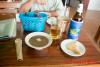
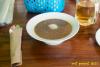
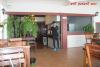
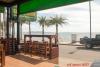




-
The Whisper Hotel, Soi 15 off 2nd Road
Evil Penevil replied to Evil Penevil's topic in Hotel and Accommodation Questions
That could well be the case. I noticed a lot of tour buses stop at the Mercure a little north of the Whisper and Neto. Some of those buses are filled with Chinese visitors, others with Japanese. I've eaten at the Mercure's buffets on a number of occasions and there a quite a few Russians as well. The changing demographics of Pattaya tourism! A lot of hotels would be empty without Asian and Russian guests. Evil -
The Whisper Hotel, Soi 15 off 2nd Road
Evil Penevil replied to Evil Penevil's topic in Hotel and Accommodation Questions
According to a post in response to my thread on another board, the price will soon go up to 1,800 baht. Another poster said he was quoted a price of 1,600 baht per night for March of next year. I have no idea if these statements are accurate, but 1,800 or even 1,600 bant isn't value for money. The Whisper is a good deal at 1,200 baht, but it is understandable if the price would increase to 1,400 or 1,500 baht in high season. Anything above that just isn't worth it. From what I could observe, nearly all of the other guests were Russians. The signs and notices at The Whisper are in Russian as well as English and Thai. However, I pass by The Whisper at least twice a day and have never seen a tour bus parked in front of it. Plenty of tour buses stop at the Neto Resort across the road, but not The Whisper. From what I've observed, most of the guests at the Neto are Indians. Evil Evil -
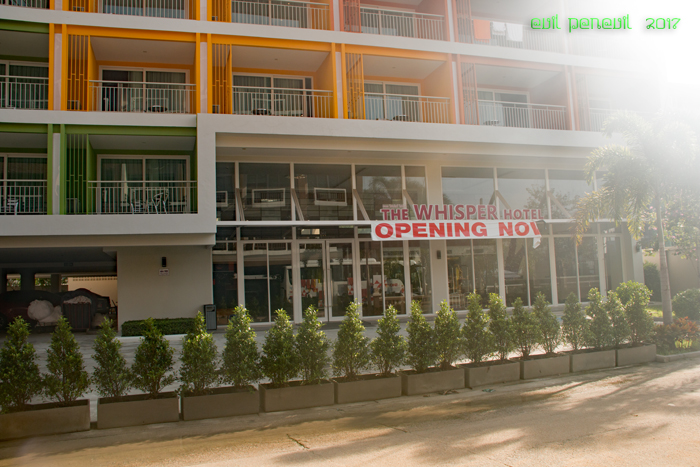
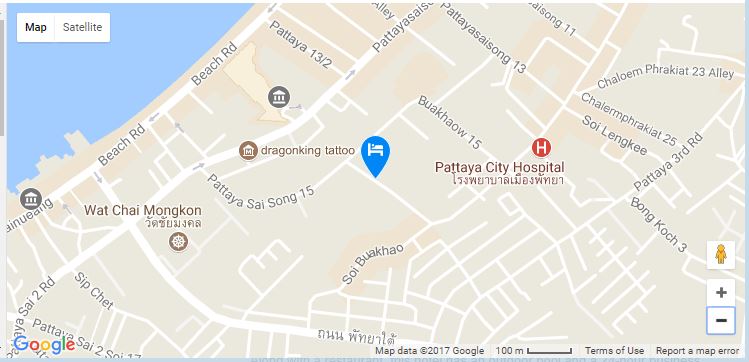
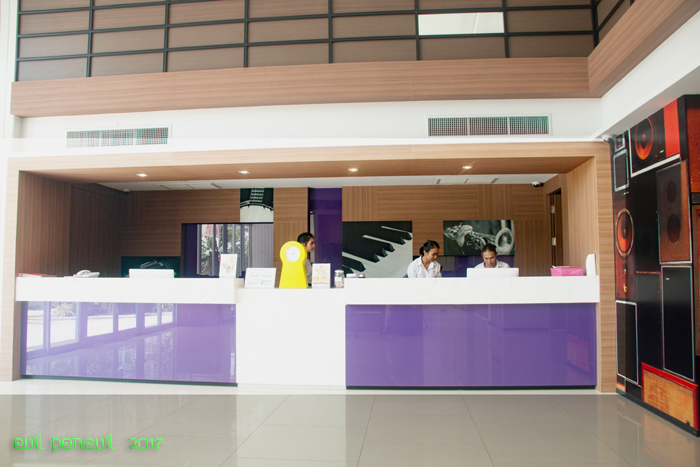
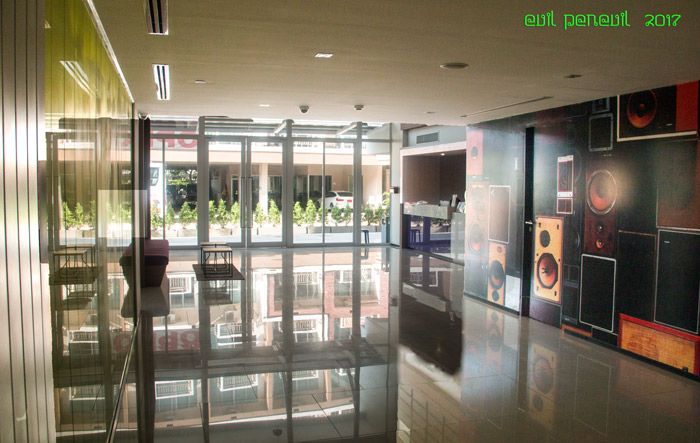
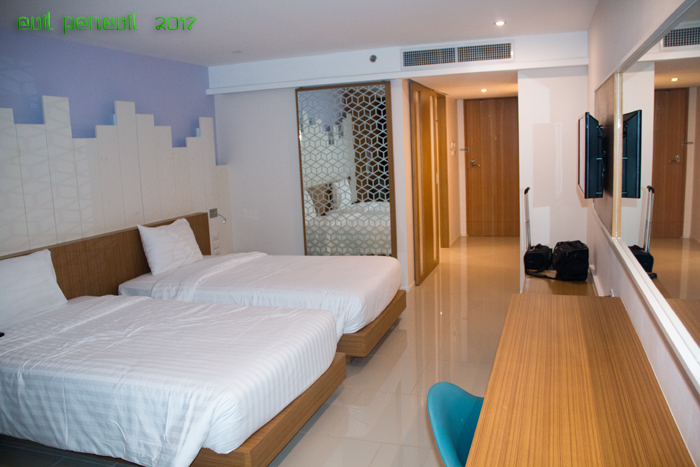
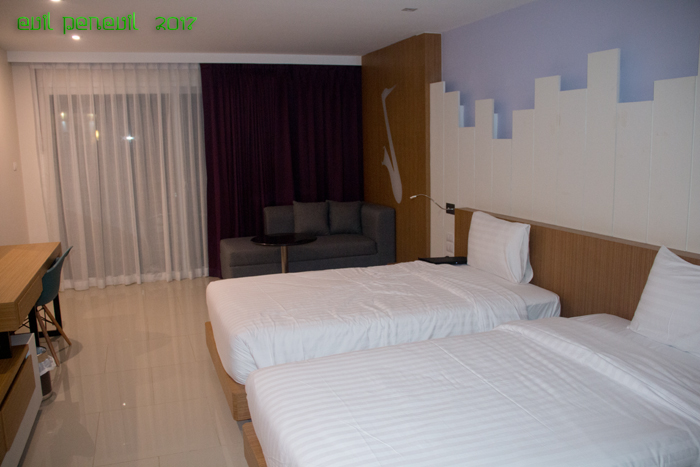
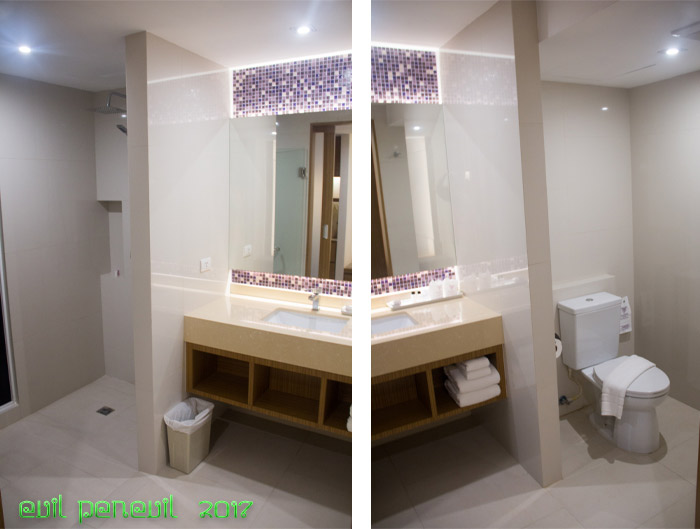
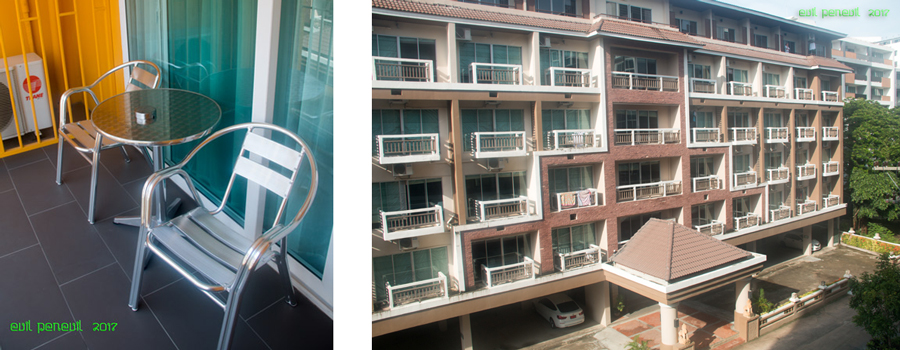
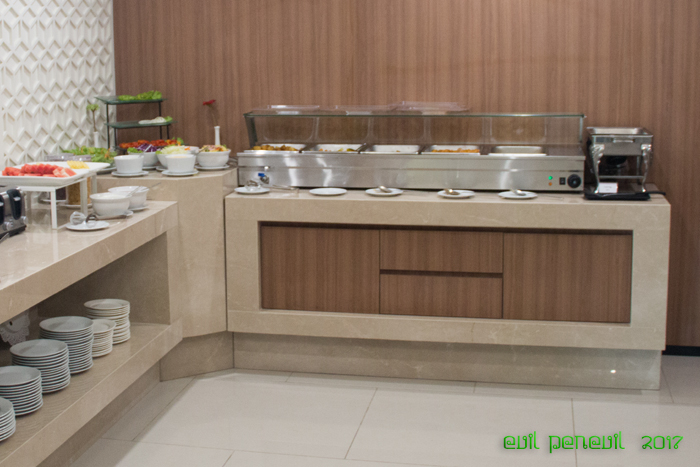
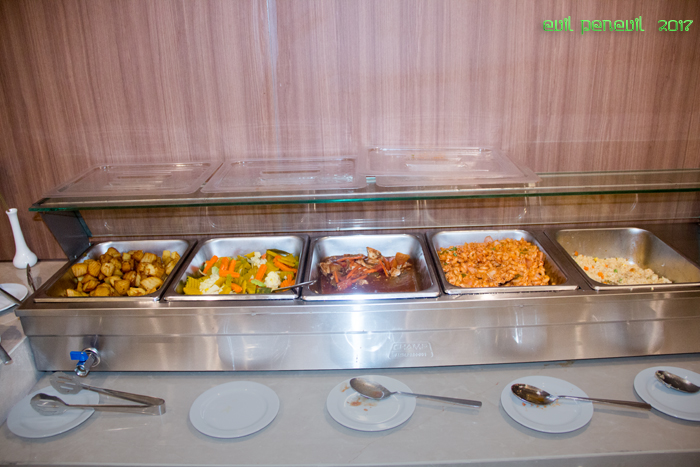
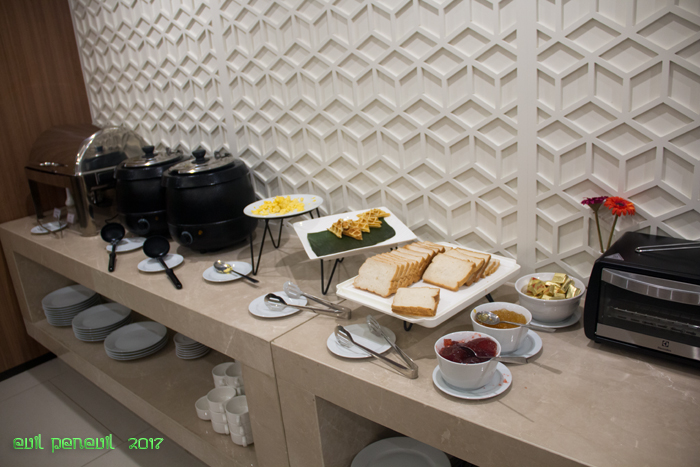
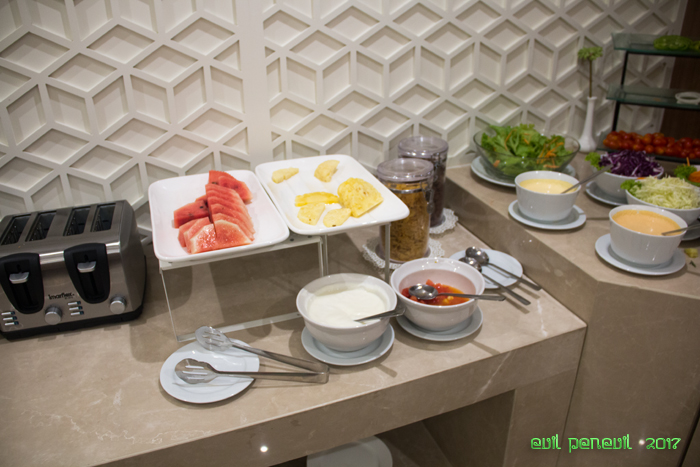
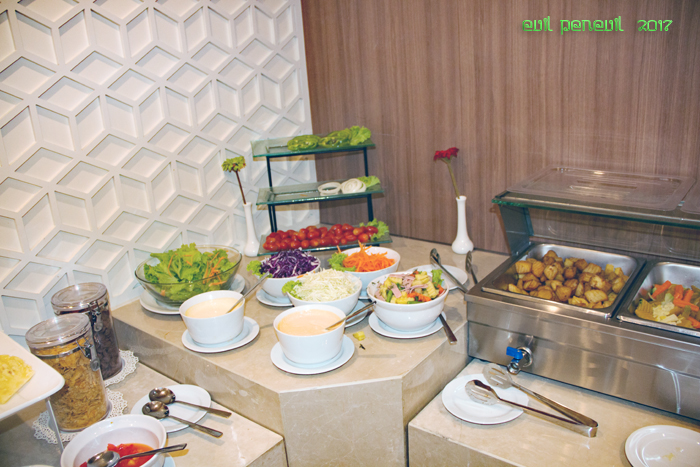
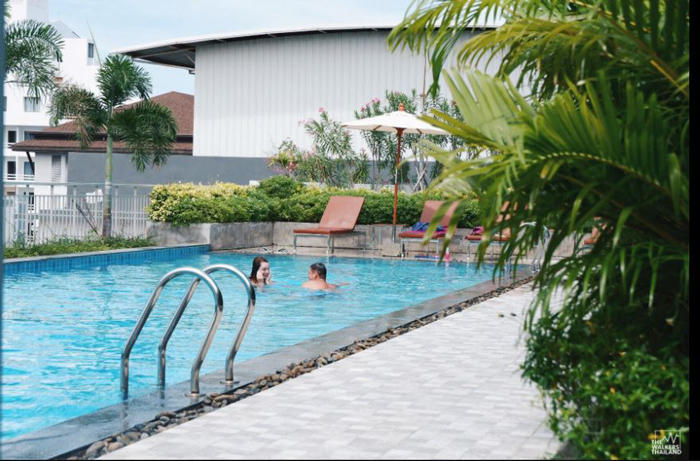
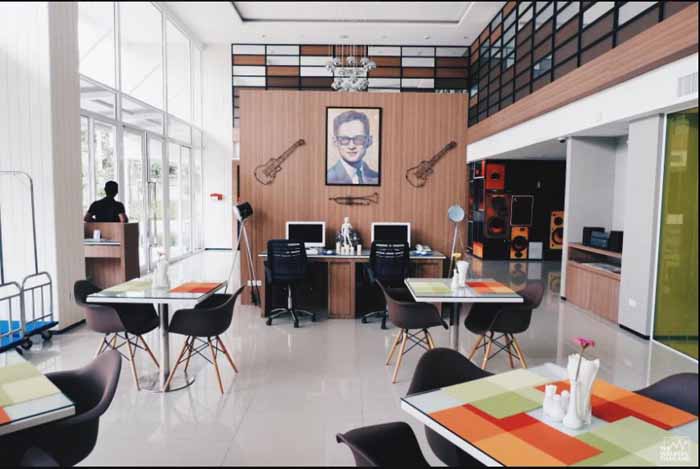
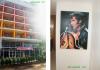
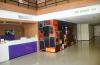
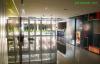
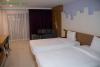
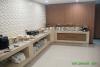
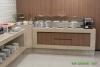
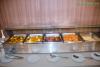
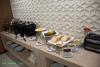
The mid-sized Whisper Hotel opened in June. It's located on Soi 15 between 2nd Road and Soi Bukhao, next to The Avenue Residence. It's a convenient location for Walking Street, LK Metro, Beach Road and access to the baht buses running north or south. I stayed there one night recently while some repair work was done on the building in which I live. The Whisper is rock 'n roll themed, a failed condo project that has been converted to a hotel. I had a good room and no complaints about my short stay. My 40-sqm room cost 1,200 baht for the night including breakfast. I booked it through Expedia, but I overheard a couple who walked in without a reservation get quoted the same price. The staff is young, friendly and helpful. Check-in is at 3.00 p.m. and check-out at noon, but there was no problem with late check-out at 1.00 p.m. The room was attractive and the bed comfortable. It was quiet at night with no outside noise. The TV reception and Wifi signal were strong, ditto the air conditioning. Each room has a small balcony, although there's not too much to see except another hotel across the road. There's a breakfast buffet that runs between 7.00 and 10.00 a.m. It's adequate but nothing special. A few pics I lifted from the Whisper's Facebook page There's a small cafe and bar next in the lobby. The Whisper has a roof-top swimming pool. I can recommend The Whisper to anyone who wants a full-service hotel with a swimming pool, but doesn't want to spend a lot. Evil







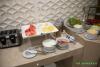
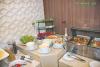




-
Road Rage and Its Aftermath
Evil Penevil replied to Evil Penevil's topic in General Discussion about Pattaya
He is a Brit who lived in Australia a long time, apparently long enough to acquire an Australian accent. Evil -
Hawker Chan on Beach Road at Royal Garden Plaza
Evil Penevil replied to Evil Penevil's topic in Restaurants and food
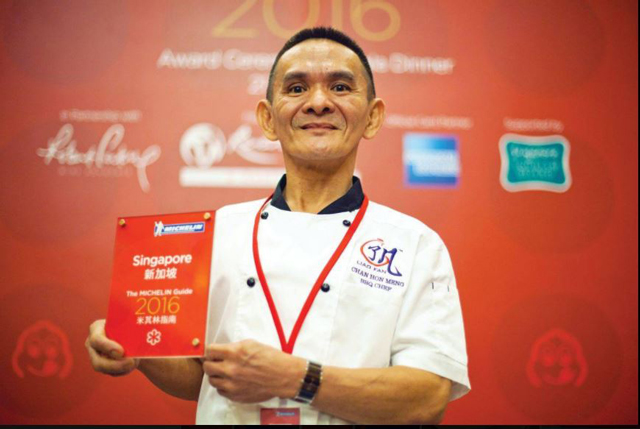
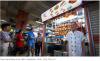
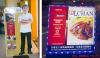
All photos below are from the Internet. The man himself: Chan Hong Meng, aka Hawker Chan, is a 51-year-old chef, food-stall owner and partner in an international restaurant chain based on his Singapore Chinatown food stall. He began training as a chef at age 18 and has over 30 years experience in making his signature dish, Hong Kong soy sauce chicken and rice. He learned how to make it while training in Hong Kong during the 1980s. Over the years, he changed and perfected the original recipe. In 2009, he opened his own food stall and it quickly became popular. Long before he got the Michelin star. customers were queueing for his chicken and pork. Singapore has about 100 hawker centers (open-air food courts) and 6,000 food stalls, so that is quite an accomplishment in itself. It was a small operation, employing Chan and two assistants. It sold 150 chickens and 25 kilograms of pork a day six days a week. The stall's hours were 10.00 a.m. to 7.00 p.m., but it often closed between 4.00 p.m. and 5.00 p.m. because it ran out of food to sell. Chan told the Singapore press he had wanted to open additional stalls or an enclosed restaurant to handle the excess demand, but couldn't find a partner. That changed overnight when he won the Michelin star. About 10 big companies approached him about a partnership. He chose Hersing Culinary, the food-and-beverage arm of Singapore's privately held Hersing investment group. Hersing had handled the expansion of other small Asian restaurants that won Michelin stars or otherwise became famous. It's believed that Chan sold his recipes to the company for at least two million Singapore dollars. Chan probably has only a small ownership stake in Hawker Chan but is likely to get a big salary as the chain's symbol and brand ambassador as well as advising on menu and food preparation matters. This is roughly what Harlan Sanders did when he sold Kentucky Fried Chicken because he felt overwhelmed by its rapid expansion. The main marketing point for Hawker Chan is the Michelin star. The restaurant chain not only calls itself "The world first hawker to be awarded one Michelin star," but also says it offers the world's cheapest Michelin-starred meal. That's a bit of smoke and mirrors as it's the Chinatown food stall, Liao Fan Hong Kong Soy Sauce Chicken Rice & Noodle, that got the Michelin star, not Hawker Chan. However, the first Hawker Chan branch to open in Singapore did get recognition in Michelin's 2017 Guide with a Bib Gourmand award as one of 38 local restaurants or food stalls offering "exceptionally good food at moderate prices." A plate of soy sauce chicken rice costs SGD2 (49 baht) at Liao Fan HKSSCRN and SGD3.80 (93 baht) at the Hawker Chan branch with the Bib Gourmand. That's close to the Pattaya price. No doubt that the Singapore Liao fan stall has the cheapest Michelin-starred meal in the world, but how much of that can be projected to Hawker Chan restaurants in other countries is very much a matter of discussion. There's also plenty of discussion on food sites and blogs about Michelin's generosity in awarding stars to establishments in Asia. Two lines of thought have emerged. One is that the Michelin Guides had previously favored French restaurants and formal dining. By awarding stars to food stalls and hole-in-the-wall places, Michelin has made its Guide more relevant to the local people by acknowledging diversity in food culture. A more cynical explanation would be that the Guide's purpose has always been since its inception in the early 1900's to help market Michelin tires. Michelin wants to expand its business in Asia and awarding stars to food stalls generates free publicity and brand recognition well beyond what any amount of paid advertising could achieve. Both are good answers and both are probably true to some degree. The Michelin company has a powerful asset in its guides and it's understandable its management would take full advantage of that asset. Evil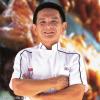



-
Hawker Chan on Beach Road at Royal Garden Plaza
Evil Penevil replied to Evil Penevil's topic in Restaurants and food
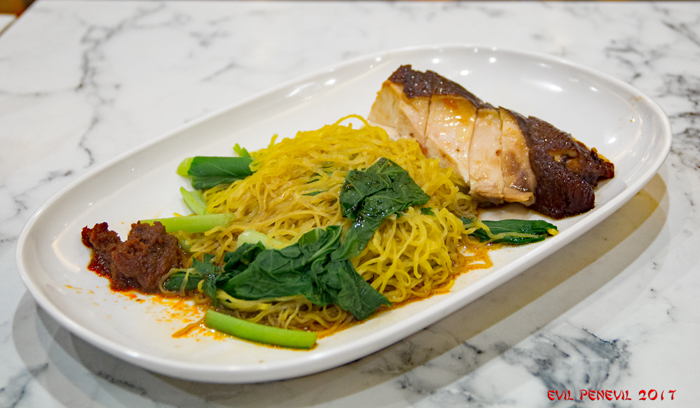
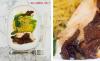
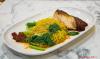
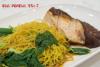
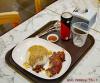
Last night I had the wonton soup and the soy sauce chicken with noodles. The wonton soup was good but unremarkable. It tasted the same as many bowls of wonton I've had in Chinese restaurants that don't ever dream about a star from their local newspaper, much less the Michelin Guide. At 130 baht, I thought it was overpriced for a bowl of generic broth, five filled wontons and a few greens. I then had the soy sauce chicken with noodles at 110 baht. The pieces of chicken seemed to have more white meat and fewer bones than last time round. No complaints there. The noodles, however, were dry and hard on top, as though they had not only been pre-cooked but pre-plated and left to stand under a heating lamp. The noodles were also stuck together, another sign they'd been standing under heat. This is hardly the type of dish that is likely to get a Michelin star. It tasted OK once I moistened the noodles with the sauce. I did have some hor fun later that night, but on Walking Street, not Beach Road. Hawker Chan is open from 11.00 a.m. to 11.00 p.m., with last call at 10.30 p.m. On the first two occasions, I was there late, around 10 p.m., and I was the only customer. Last night I went at 7.30 p.m. and there were 10 other customers. Everywhere else where Hawker Chan has opened, there has been a big rush of customers. Not in Pattaya. The staff is friendly and polite, although there isn't much service involved. Everyone from the cleaning lady to the manager greeted and wai'ed me when I entered the restaurant and again when I left. Bottom line. The food at Hawker Chan is OK but nothing spectacular. I'll be back because it is a convenient location for me. I won't be expecting anything outstanding just because the food stall in Singapore won a Michelin star. Evil The background info on Hawker Chan will come in yet another post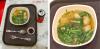

-
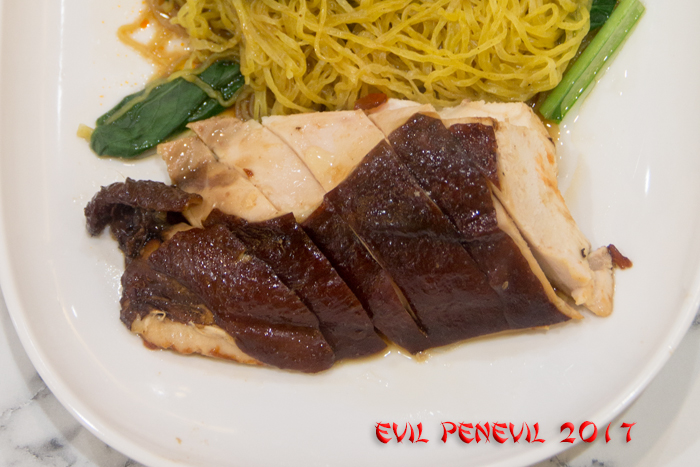
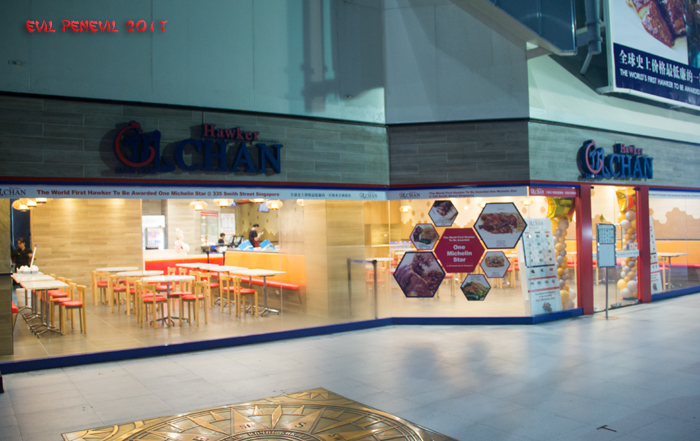
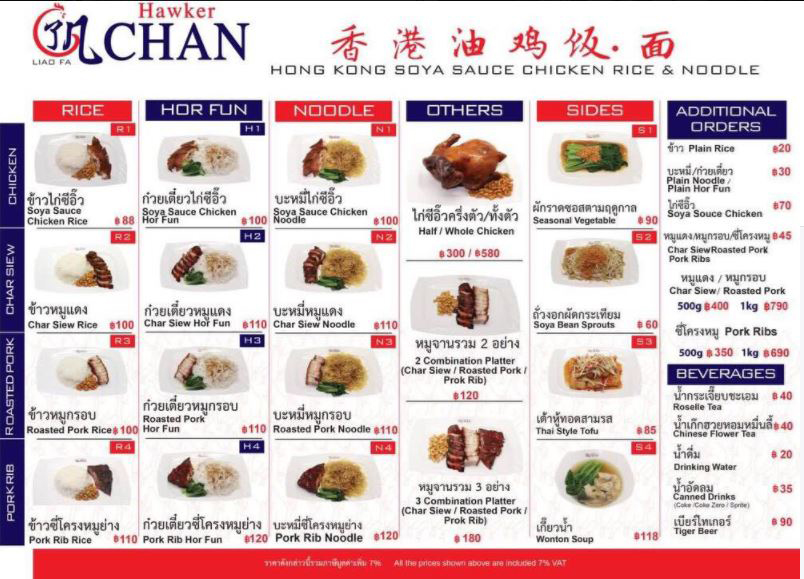
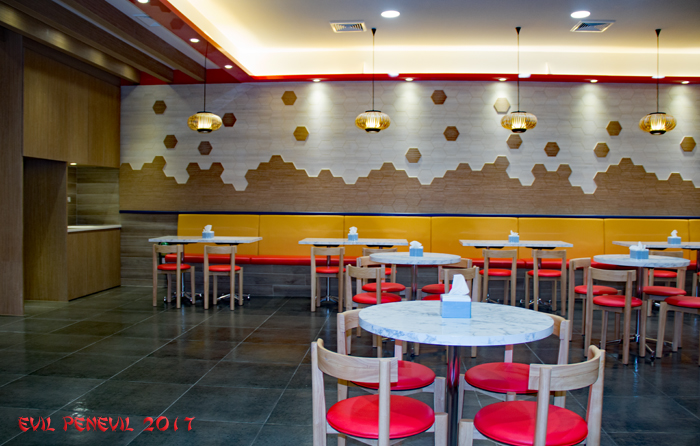
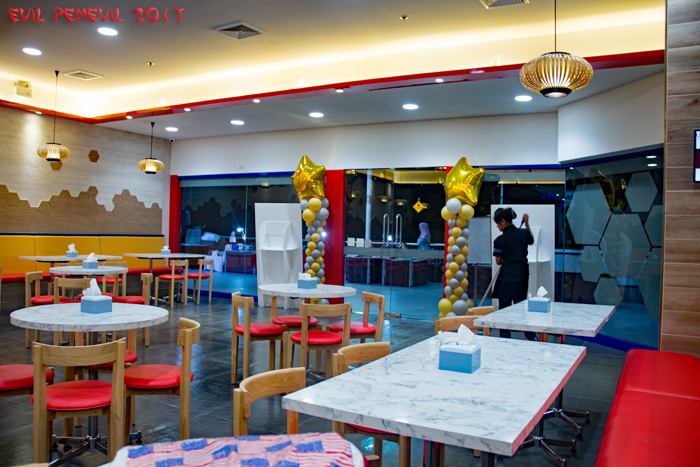
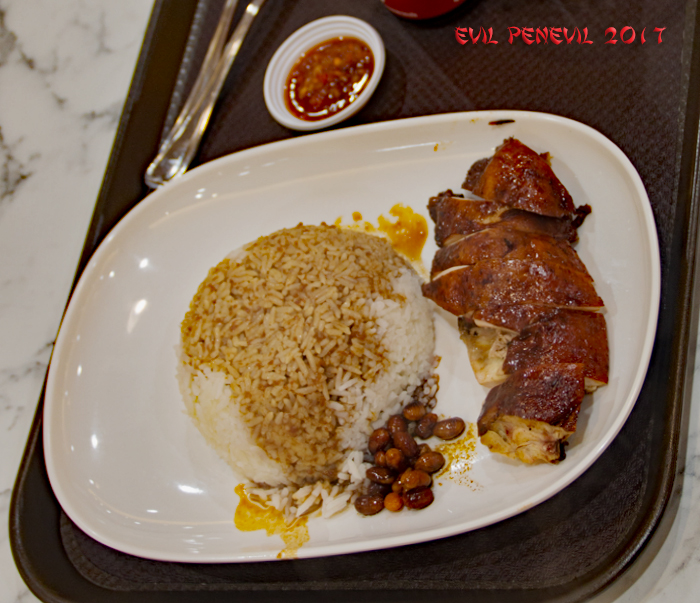
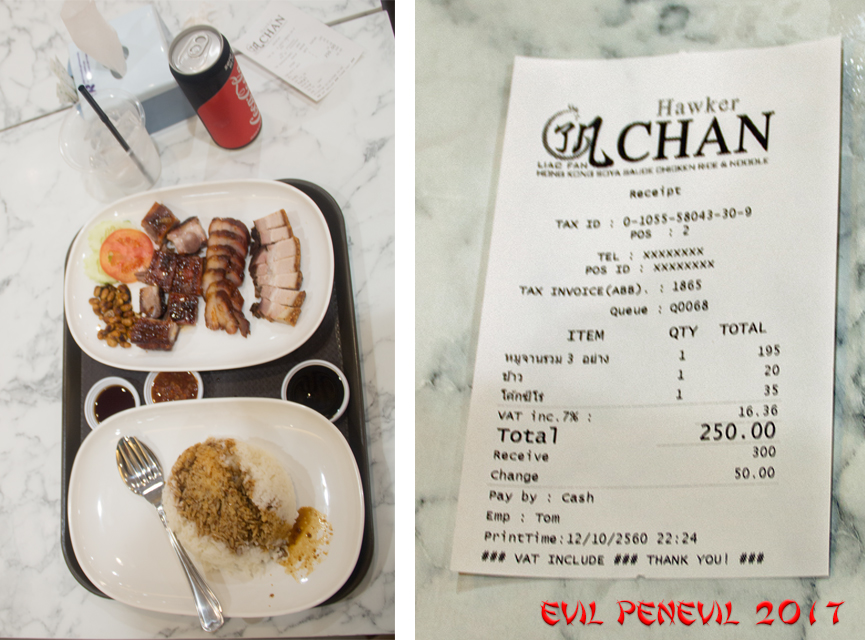
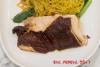
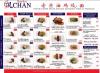
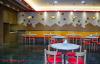
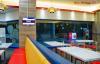
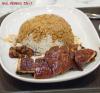
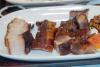
Hawker Chan is a recently opened Chinese roast meat (siu mei) restaurant on Beach Road at the front of the Royal Garden Plaza. It's part of an international chain spun off from Singapore's Liao Fun Hong Kong Soy Sauce Chicken Rice & Noodle, a small food stall in a Chinatown hawker center (open-air food court) that won a Michelin star in 2016. Although it bills itself as "The world first hawker to be awarded one Michelin star," Liao Fan HKSSCRN was actually one of two Singapore food stalls to get the prestigious culinary award in July of last year. It propelled the stall's chef and owner, Chan Hong Meng, to overnight fame. He formed a partnership with a Singapore investment company to capitalize on his instant celebrity. The result is the Hawker Chan chain, which now has three branches in Singapore as well as in Taiwan, Thailand and Indonesia. Branches will soon open in Australia and the Philippines. Mr. Chan has said he wants to follow KFC's example and establish branches all over the world. That's certainly an ambitious if unrealistic goal, but it does raise the intriguing possibility we might soon be hearing hilarious stories of humiliated Pattaya punters carrying around buckets of Hawker Chan. (If you get that quip, you're a true punter-board veteran). The rapid rise of Hawker Chan is a fascinating street-food-to-riches story, even when you scrape away the hype over the Michelin star. It's also testimony to the power and influence of the Michelin Guide. I'll include more of the background at the end of this review. The interior is spacious, well-lit and spotlessly clean. There's nothing particularly Chinese about Hawker Chan's decor; it could be any modern quick-service chain restaurant. including KFC. You make your selection from the menu at the front counter, pay, then wait for your number to be called and pick up your order from the counter. It's the same model McDonalds pioneered and is now used in fast-food restaurants all over the world. The menu itself is simple. Diners have a choice of chef Chan's signature soya sauce chicken or three types of pork: char siew (BBQ pork belly); spare ribs; or crispy roast. The meats can be combined with rice, noodles or hor fun (a type of rice noodle and an appropriate name in Pattaya). The menu sports three non-meat dishes; two vegetable and a tofu dish. You can also order whole or half chickens and pork by the gram or kilo for takeaway or in-house dining by groups. It's the same menu as in Hawker Chan's restaurants elsewhere. The menu in the pic below is from the Web site of the Terminal 21 branch in Bangkok, although prices for the single plate meals tend to be about seven to 15 baht higher in Pattaya. The dishes are inexpensive and you can have two dishes and a beverage for under 300 baht. Of course, similar food is available from food stalls, street carts and hole-in-the-wall restaurants all over Pattaya at half or one-third the price, but you won't be eating it in air-conditioned comfort at a prime Beach Road location. And now to the important question: How's the food at the Pattaya branch of Hawker Chan? Overall, it's average, with the soya sauce chicken and roast pork above average. For those familiar with the U.S. academic grading scale, I'd give Hawker Chan Pattaya a C+. There's no factor to any of it and nothing at all to make me think it deserves a Michelin star. It tastes the same as roast meats in thousands of Chinese restaurants and I've had better in China, Hong Kong, Bangkok and even New York City's Chinatown. I've never eaten at the Liao Fan HKSSCRN in Singapore, so I can't make a direct comparison to the Pattaya offering. According to Singapore newspaper and food blog reports, the dishes at Hawker Chan branches in both Singapore and abroad are inferior in flavor to what you get at the Chinatown hawker center food stall. I first tried Hawker Chan's most famous dish, soya sauce chicken and rice at 95 baht. The chicken was moist and tender with a silky texture and glossy skin. Like Col. Saunders with his 11 secret herbs and spices for his Original Recipe KFC, chef Chan also has a secret recipe for the marinade in which the chicken is soaked overnight. It's known to contain Chinese angelica root, cloves, coriander seed, and star anise. I didn't notice much taste enhancement from the marinade except perhaps on the skin. The size of the chicken portion was sufficient but not large. Keep in mind the Chinese preference is for skin on and bone in, then chopped with a cleaver into pieces convenient for eating with chopsticks. You're left with pieces of bone to spit out, which isn't appealing to some Western diners. A large portion of rice came with the chicken. It was topped with a soy mixture that tasted generic to me. At the counter, you can take small dishes of thick, sweet soy sauce, ordinary soy sauce and chili sauce, which was quite mild and a bit sweet. It went well with the salty chicken. The rice seemed a bit wet to me, as though it had been thoroughly boiled but then allowed to sit in the cooker or pot and the steam had condensed. I went for the three-pork combination plate on my next visit. It cost 195 baht without rice, which was 20 baht extra and a can of Coke Zero 35 baht. As should be the case, the 7% VAT was baked into the menu price and no service charge was added. Like the chicken, the pork was succulent and tender. It was definitely Cantonese style. Forget Memphis or Texas. The spare ribs had been chopped into small pieces and were dry with little meat. The char siew had a sweet and salty taste from the marinade and glaze. The roast pork, my favorite among the three, had crispy fat, but not too much of it. If you're thinking of BBQ pork and spare ribs in terms of Middle America, you should go to Smokin' Joe's on Soi Lengkee. At Hawker Chan's, it's Middle Kingdom all the way. This review is getting very long, so I'll cut it into two parts. Evil










-
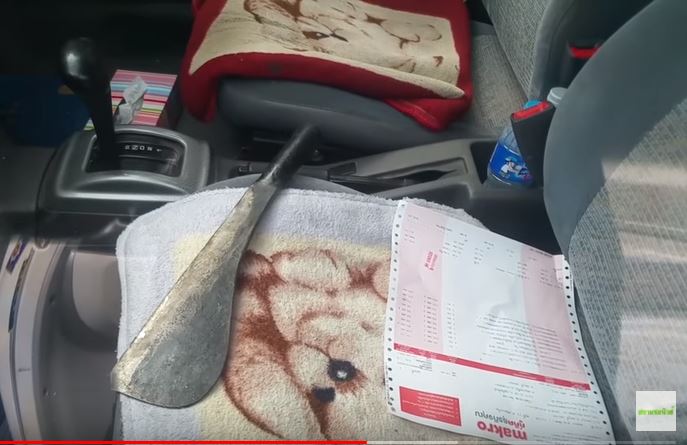
Here's an incident that was discussed widely on some Thai TV channels, with the video clips played dozens of times. It happened on Soi Korphai in Pattaya. The background: A 77-year-old British man who was on his way to pick up his 8-year-old daughter from school got into a road-rage encounter with a 28-year-old Thai man. It's still unclear to me what touched off the incident, whether it was an actual fender-bender or something else. The British man said the Thai had tried to run him off the road. The video clip, apparently from a dash cam, picks up with the Brit getting a machete out of the back of his car and running down the street to confront the younger man. You can't see it in the clip, but the Brit nicked the Thai several times with the machete, although he didn't cut him badly. The older man got back in his car and tried to run down the Thai, knocking him into the air. Again the Thai man wasn't injured badly. The Thai follows the farang to the school and at some point the BiB are summoned. Here's what happens next: The old guy is totally in the wrong in chasing after the Thai with a machete. That would be assault with a deadly weapon or the equivalent in any country, maybe even attempted murder. He was in no imminent danger and could have gotten away easily. However, the Thai guy is also totally wrong in sucker punching the old guy. He could have killed him if the old man had fallen the wrong way. The fact he did it in front of a Thai cop shows he doesn't fear the consequences much. The younger man is said to own a gold shop. From what I read, the Brit is out on 200,000 baht bail and could be facing attempted murder charges. Apparently the Thai is facing assault charges. Strange case, but THIS IS THAILAND. Read more about it here: ThaiVisa. Evil
-
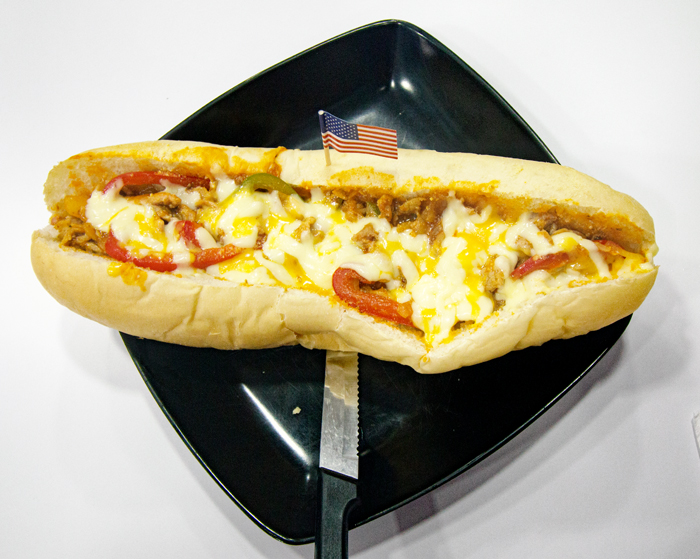
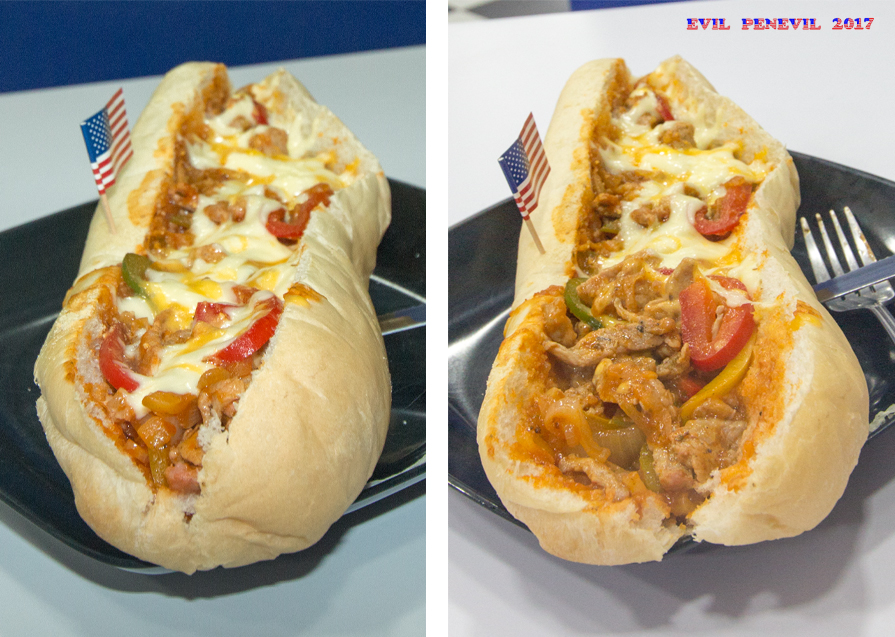
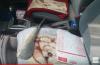
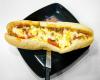
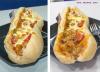
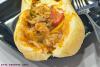
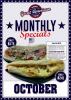
I had one of the October specials at GASCO, the pizza steak hoagie. It was a sizeable sandwich, certainly enough for lunch or dinner. A generous amount of sliced steak had been fried with onions and sweet peppers, mixed with pizza sauce and topped with mozzarrella and a bit of cheddar cheese. The hoagie roll was fresh and close in texture to the hoagie rolls from Amoroso's Baking Company in Philadelphia. The traditional hoagie roll is light and airy on the inside, but with a thin, firm crust. The bread soaks up the juices from the filling while the crust acts as a barrier against the juices leaking. With an abundance of mozzarrella and sliced steak, I liked the pizza steak hoagie a lot. I just wish the cook had gone a bit heavier on the oregano so it had had more of a pizza flavor. Bottom line: I'll be back before the month is out to have another. I also want to try the tuna sub, but that's more of a take-away sandwich. Evil
-
Get ready for another big storm (maybe)
Evil Penevil replied to MM's topic in General Discussion about Pattaya
I was on my way home yesterday morning at 2:26 a.m. when the downpour started. I was only five minutes from my condo and probably would have made it if I hadn't stopped to buy a kebab. I took shelter under the awning of a closed MP to see if it would be over quickly. / After 20 minutes, it was still coming down in buckets and the soi on which I live was already beginning to flood, so I bought a "Hello Kitty" umbrella for 100 baht from a passing hawker. My camera case is waterproof so that wasn't a worry. I got soaked to the skin, but at least I could walk the last few hundred meters while the center of the street was still visible. At 6.50 a.m. I was awoken by the loudest thunder I've ever heard. One hell of a storm, but by no means the worst. Evil -
Under 300 Baht ... And Good! (updated July 4, 2022)
Evil Penevil replied to Evil Penevil's topic in Restaurants and food
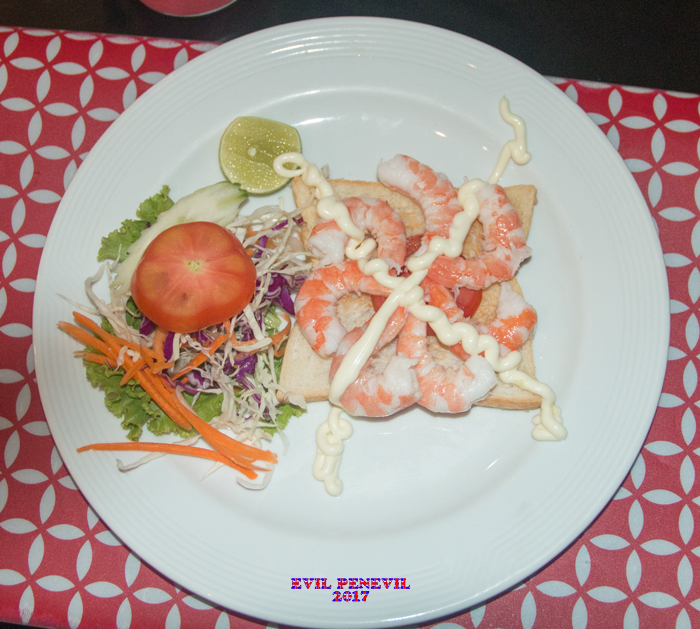
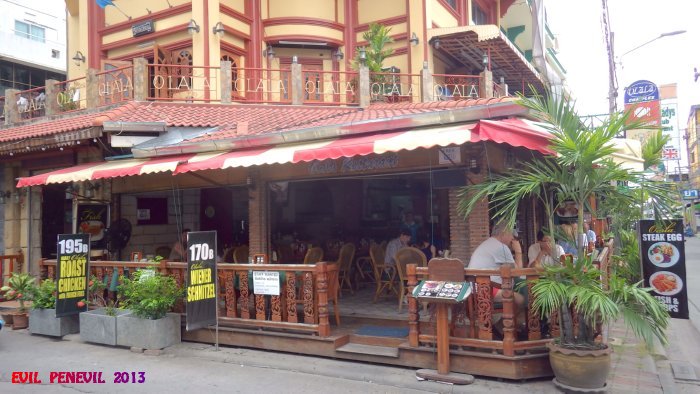
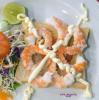
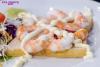
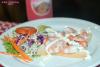
I wrote about Olala Restaurant on Soi 7 in the OP of this thread. It offers Norwegian and other European dishes (German, Austrian, Italian, etc) as well as Thai food. It became a favorite of mine for its simple yet tasty fare and reasonable prices. The exact timeline is blurry for me, but it closed for refurbishment and stayed closed for what struck me as a long time. I figured it had closed for good and stopped thinking about it as a dining option. However, it did reopen quite awhile ago. Sunday night I was passing by and stopped for a light meal. I didn't bother to take an outside shot, but the exterior hasn't changed much since 2013. The interior was pretty much the same, too. It's an open restaurant with a visible kitchen area. Ceiling-mounted fans keep the dining area cool. Even the sign advertising the lamb shank was in the same place as 2013. I wasn't very hungry so I ordered the open-face prawn sandwich for 175 baht. It came with a small portion of a very fresh raw salad. The slice of tomato had plenty of flavor, which is not often the case in Pattaya. I thought about ordering a tomato salad to go along with the sandwich, but just wasn;t that hungry. The prawns were plump and had been cooked properly so they retain the right taste and texture. I was pleased to find another slice of tomato hiding under the prawns. The only criticism I would make is that the bread hadn't been toasted long enough. It was more warmed than toasted. The menu- and prices- were much the same as I recall from the past. The farang part of the menu is mainly European comfort food with an emphasis on Norwegian specialties. German- and Austrian-style schnitzels are also well-represented. The roast chicken dinner (195 baht) hadn't gone up in price since 2013 and the basic schnitzel had only increased five baht to 175 baht. The Thai menu is extensive, but mostly standard dishes. The majority of the main dishes are under 300 baht. Bottom line: I;ll go back to try more of the Thai and farang menus. Evil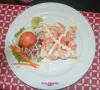
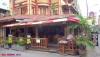

-
Monthly special for October: I plan on eating the pizza hoagie inhouse and taking the tuna sub home with me. Evil
-
More Hassles at Swampy, Don Mueang
Evil Penevil replied to Evil Penevil's topic in Airline Discussion
The airline was Cathay Pacific. I took the non-stop from JFK to Hong Kong, then connected to Bangkok. The HKG-BKK leg (with Cathay) was supposed to land at 10.45 am, but because takeoff had been delayed in Hong Kong, it landed a few minutes past 11.00 am. I have checked luggage on most flights into LOS because I bring back stuff I donate to orphanages and other charities. Many things are cheaper in the U.S. compared to LOS. Evil -
More hassles and queues at Swampy and Don Mueang. You can read about it here: "Airports congested again as internet crashes, Thais battle long lines again at immigration (Please credit and share this article with others using this link: http://www.bangkokpost.com/news/transport/1333795/airports-congested-again-as-internet-crashes. n© Post Publishing PCL. All rights reserved.)" I landed at Swampy yesterday (Sept 29) at 11.03 am and was at the Premium Lane for immigration control at 11.15 am. The ordinary IC feeder queue filled the "snake" but didn't spill out into the hall and many booths were in operation. From what I saw, most of the Thais "displaced" by the failed automatic kiosks were simply shifted into the queue for foreigners. It was confused but not chaotic at the Premium Lane. Only two booths open, one with a huge line, the other with a much shorter line. I took the shorter line and had to show my Premium Lane card; apparently the other lane was handling some of the spillover from the failed kiosks. There were about 15 people ahead of me, but the officer got through them quickly. He was dressed in civilian clothes, no uniform, not even a badge or visible ID. He seemed only to stamp the passports, I couldn't see that he even checked them on his computer. When I got to the counter, I was through in less than 15 seconds. He didn't even collect my Premium Lane card. Thanks to Priorty tags, my two suitcases were already on the baggage carousel when I went to claim them. At Customs, the officers were X-raying the suitcases of most passengers (Thais and other Asians) but not farang. The Customs guy just waved me through with a flick of his hand. I got to the Bell Travel departure point on Level 1 at 11.39 am, in time for the 1200 noon bus. It arrived at the North Station at 1.30 p.m. and I was in my condo at 2.30 p.m. Unluckily, I was the last of the six stops the shuttle bus made, three at hotels north of Pattaya Klang; two around LK Metro; finally my building. It could have been a lot worse. Thirty minutes from landing to clearing Customs with luggage ranks as one of my faster times. Fastest time ever was about 20 minutes, but that was a "best case" scenario: I had been on a Thai flight that landed at a gate almost next to Immigration Control; no queue at the Premium Lane and no luggage to collect. That time was also my record for getting back to Pattaya; I had booked car service and was in my condo about one hour, forty minutes after landing. Evil
-
Old Fashioned Barber Shop on Soi Bukhao
Evil Penevil replied to Evil Penevil's topic in Expat Issues
You'll find the barbers at Old Fashioned take their time with every customer and do a careful job. This is mostly an advantage, but if you're in a hurry and need a quick trim and shave, you're better off mentioning it to the barber. My haircut and shave usually takes about 40 minutes, the "speedy" version about 25 minutes. Evil -
Sloppy Joes, now that took me back to my elementary school cafeteria! They were always a favorite of school kids in the U.S. I wonder if they are still served as a school lunch? Sloppy Joes are a variation of the "loose meat" (aka "tavern") sandwich, which was ground beef served on a bun, basically a hamburger without the beef in patty form. According to legend, a chef named Joe in Souix City, Iowa, added tomato ketchup to the ground beef while it was cooking and the Sloppy Joe was born. It's supposedly still popular in restaurants in Iowa, but I can't recall seeing it on restaurant menus. The big deterent with Sloppy Joes is that they are so messy to eat. Evil
-
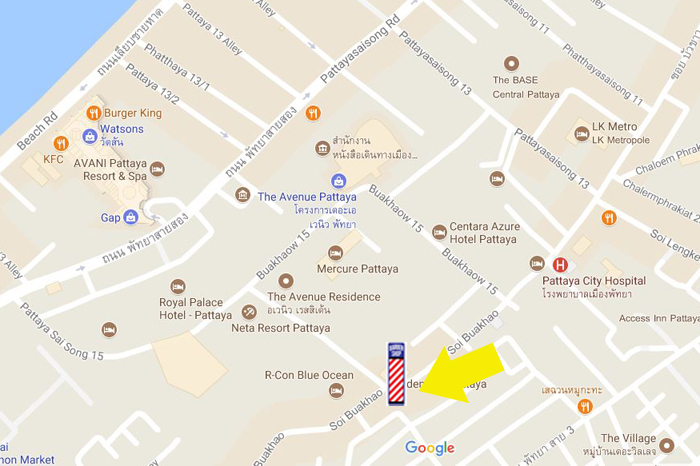
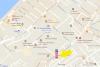
The Old Fashioned Barber Shop is a relatively new barber shop on Soi Bukhao and already has quite a following. I go for a shave a couple of times a week and it is always busy. Sometimes they'll tell me to come back in 30 minutes or an hour. Their customers mostly seem to be younger Thai and farang who want complicated hair styling and cuts, but a fair number are older farang as well. The barbers (two guys and girl) are in their 20s and they do really good haircuts and shaves. I got the best haircut I've had in Pattaya at Old Fashioned. It's located across the street from the former Boom Boom beer bar complex that is now fronted by a 7-11. EDIT IN: The sign says a shave is 100 baht and a haircut is 200 baht. However, I think I paid 200 baht total for a haircut and shave. I believe that is because he regarded my "haircut" as a trim more than a full cut. I have seen that the younger guys who get the complicated cuts do pay 200 baht Evil
-
A lot of the discussion about chili dogs has to do with personal preference and to a degree, the semantic difference between the words "sauce" and "topping." Some chili dogs are topped with a beef-and-onion sauce that is flavored with chili powder, while others are topped with actual chili con carne that may or may not include beans. Chili burgers are also good eating. I like the one served at the Golf Club on LK Metro. Chili con carne has a complicated and much disputed history. You can read about it here: History and Legends of Chili. Evil

-
Yes, I was being ironic when I said pizza is American. However, many Italian chefs and food experts say that the version of pizza served in the U.S. from the earliest days (1890s) was so fundamentally different from the original Italian Neopolitan pizza that even back then it was more Italian-inspired than Italian food. The pizza of Naples was baked in wood-fired ovens and very sparsely topped, while the U.S. version was first baken in the coal-fired ovens of Italian bakeries and had a lot of topping. Coal-fired ovens are much hotter and resulted in a shorter baking time and a slight char on the bottom crust, which gave the pizzas a special taste. Because many Ialian immigrants couldn't afford to buy a full pie, NYC pizza bakeries began selling by the slice. When the first sit-down pizzeria opened in NYC in 1905, it's customers were overwhelmingly Italian. In an attempt to attract non-Italian diners, the owner experimented with different toppings. Although more and more pizzerias opened across the U.S., it didn't become hugely popular until after WWII. Hawaiian pizza may have been first served in Germany in the 1950's as a variation of Toast Hawaiian, an open-faced grilled sandwich also invented in Germany that featured a slice of pineapple, ham and cheese on toasted bread. In North America, Hawaiian pizza was first served in 1962 in a pizzeria in Canada by a Greek-Canadian chef. It's uncertain whether he was inspired by the German forerunner or came up with the idea on his own. Hawaiian pizza is popular in Northern Europe, the U.K. and Australia, but isn't very popular in the U.S. Pineapple doesn't even make the top ten favorite toppings. In February of this year, the President of Iceland (Guðni Thorlacius Jóhannesson- now that's a name and a half) told a group of high school students that he would ban pineapple as a pizza topping if it were in his power. He meant it as a humorous response to a joke question from a student, but it went viral and he had to clarify in statement in both Icelandic and English that it would be impossible to ban pineapple as a pizza topping in Iceland. But Iceland did ban McDonald's. Evil
-
There's no one right way to do a chili dog. Many regional variations exist, some with beans in the topping, others without. It's the same with chili con carne itself. A lot of Texans claim that authentic chili con carne doesn't contain beans or ground beef, but is made from chunks of beef and no beans. However, the version with pinto or black beans is just as authentic, as both stem from one-pot cowboy and wagon train cooking. Ground beef is a 20th century substitution. Although chili con carne is thought of as a Mexican dish because of the name, it's as American as violence and cherry pie, not to mention pizza and chow mein. There's no dish in traditional Mexican cuisine that's even close. Chili con carne is Tex-Mex all the way, although it predates the term Tex-Mex by at least 100 years. Evil