Displayed prices are for multiple nights. Check the site for price per night. I see hostels starting at 200b/day and hotels from 500b/day on agoda.



BigusDicus
-
Posts
12,477 -
Joined
-
Last visited
-
Days Won
393
Content Type
Profiles
Forums
Events
Everything posted by BigusDicus
-

-
Thank you. A joy to watch.....no alcohol ban wherever she is!
-

-
-

-
I went for a walk this morning with my new face mask on. I must say that people were really doing a great job with social distancing!

-
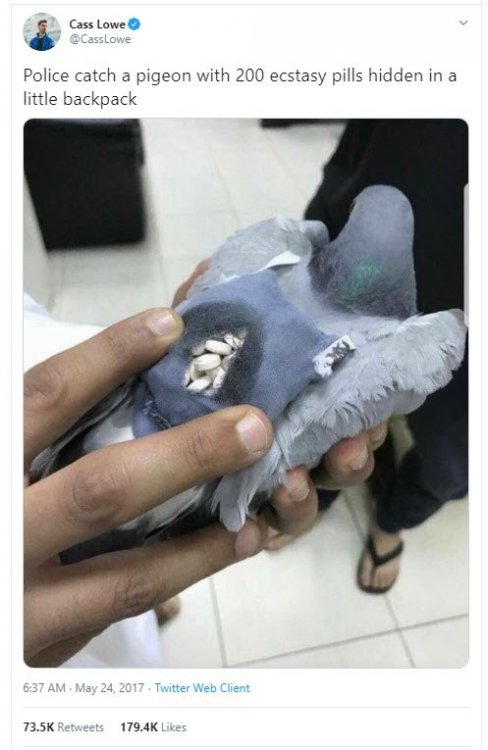
Pigeon stool.mp4
-
Better hope that's not a stool pigeon ? pigeon.mp4
-
VID-20200101-WA0022-2.mp4
-
The Rolling Stones continue to be relevant....Thanks!
-
I am posting a link below with a video. Not sure if it behind the Wine Spectator paywall or not. Please let me know if you can play the video? https://www.winespectator.com/video/play/id/3YbvxVJ2/title/wine-101-how-to-buy-wine Wine 101: How to Buy Wine Put your wine-buying anxiety to rest with our quick and easy guide to getting the most out of shopping for wine at your friendly local retailer. Get pointers on what questions to ask, how to get the best bottle for your buck and more. We visited Total Wine & More in River Edge, N.J., for some tips from the pros.
-
Here is an interesting perspective. MLC is probably correct when he said bottles do not need to aged like they used to. I still stand by my statement regarding most cabs are best after 5 years. But I realize there are some bottles on my racks that need to be drunk. Oh my poor liver.... "Today, we're consistently presented with red wines—especially the greatest, most exalted and expensive examples—that are annually crafted from uniformly ripe grapes, thanks to "green harvests." A green harvest is when, a month or so before the actual harvest, less-ripe clusters are eliminated. These unwanted clusters are literally thrown on the ground." https://www.winespectator.com/articles/is-it-worth-it-to-age-wines-anymore-47848 OPINION Is It Worth It to Age Wines Anymore? Wines have changed and so have our palates By Matt Kramer Jan 8, 2013 My greatest wine dream—and I'll bet it's yours, too—was a wine cellar. Not just the actual cool-temperature space, but one that was filled. I dreamed of a cellar so full that I could easily forget about whole cases of wine for years at a time, the better to let them age to a fantasized perfection. That dream came true. It took me years—decades, really—to achieve. And it cost me a disproportionate amount of my limited and precious discretionary income, especially when I was only just starting out as a writer. I was motivated, obsessed even, by a vision of what might be called futuristic beauty. How soaringly beautiful it would be in 15 or 20 years! I wasn't wrong—then. But I wouldn't be right for today. What's changed? Surely me, of course. I've had decades of wine drinking to discover that my fantasized wine beauty only rarely became a reality. But I had to find that out for myself. And I'm glad I did. But it isn't all personal, either. In recent years it's become obvious that an ever greater number of wines that once absolutely required extended aging no longer do. Simply put, most of today's fine wines—not all, mind you—will reach a point of diminishing returns on aging after as few as five years of additional cellaring after release. Stretch that to a full 10 years of additional aging and I daresay you will have embraced fully 99 percent of all the world's wines, never mind how renowned or expensive. I can hear you already. What about this famous red Bordeaux? Or that fabled red Burgundy? What about grand cru Chablis? Or a great Brunello di Montalcino? Or Barolo? Well, what about them? Yes, all of those wines and still others, such as German and Alsatian Rieslings, Napa Valley Cabernets and Hungarian Tokajis, reward aging. But let me tell you something: With only a handful of ultratraditionalist exceptions, the modern versions of even these wines don't require anywhere near as much aging as their forebears. This doesn't mean that today's versions of these wines are lesser. Rather, it's that fine wines have universally changed, sometimes radically so. And our tastes have changed, too. Today, we're consistently presented with red wines—especially the greatest, most exalted and expensive examples—that are annually crafted from uniformly ripe grapes, thanks to "green harvests." A green harvest is when, a month or so before the actual harvest, less-ripe clusters are eliminated. These unwanted clusters are literally thrown on the ground. Green harvesting is an utterly new phenomenon in wine history. Really, it was unknown before the 1980s and didn't become near-universal until well into the 1990s. The modern rigor of "green harvesting" should not be underestimated in its effect. It has transformed the quality of fine red wines nearly everywhere, ensuring more uniformly ripe grapes with rounder, softer, finer tannins. (I'm not talking here about today's ultraripe late picking, which is another matter altogether.) Of course, cleaner winemaking, more scrupulous attention to fermentation methods that minimize tannins, more careful filtering and a host of other winemaking and cellaring techniques (not least, the ubiquity of small oak barrels) have also dramatically transformed wines. The bottom line: Today's wines are far more drinkable, far more gratifying, far more rewarding when drunk younger than their counterparts of 20 years ago. Can they age as long? Yes, I think they can. But that's not the issue. Rather, the key question is: Do they need to? I think not. Only a very small handful of even the best wines truly require more than five years aging—10 years tops—in a cool space. Because while many of today's wines can easily age far longer than that, the issue is not endurance. Rather, it's transformation. And because of the reasons cited previously, we're now able to see that desired transformation sooner in a wine's lifespan. Will the transformation continue? In many cases, yes. But it does reach a point—and sooner than was once traditional—of diminishing returns. The critical element is that where once we had to wait patiently to get even a glimmer of initially hidden depths (thanks to harsh tannins, unwanted oxidation and unclean flavors), modern wine offers us a fuller, richer, more rewarding view sooner. Think of an old oil painting carefully and respectfully cleaned of an obscuring varnish, allowing both color and texture to leap out almost three-dimensionally, and you've got it. Of course there are wines today that stubbornly withhold their favors, such as Vintage Port and those few white wines that do not go through malolactic fermentation, such as Trimbach Rieslings, Mayacamas Vineyards Chardonnay or the white Burgundies of Maison Louis Jadot. Such white wines, which retain all of their hard malic acid, unsoftened by malolactic, or secondary, fermentation, structurally require a lot more aging before they even approach something akin to maturity. The malic acid serves to slow aging and makes the wine less approachable in youth. But such wines are outliers. Even traditionally formidable wines, such as Barolo, are far more drinkable and genuinely rewarding younger than ever in their long history. One other aspect of cellaring wine must be recognized. It is us. We are emotionally invested in cellaring wines. If we've been patient a long time in hopes of a better wine future, then the long-aged, long-anticipated wine surely must be better for the wait. This was never put better than by the great English wine writer P. Morton Shand (1895–1960) who, uncharacteristically for an upper-class Englishman of his era, loathed Vintage Port: "A properly matured Port is rightly considered unequalled as the test of the pretensions of a county family to proper pride, patient manly endurance, Christian self-denial, and true British tenacity." I do own (and buy) wines that would very likely further transform with more than five years aging. But I now increasingly find that the additional time is more "valuable" than the sensory return on that investment. My hard-won experience with aging wines has now answered to my satisfaction the question about the absolute need for long aging; namely, that the great majority of wines today, in the great majority of vintages, don't really reward that "expensive" extra five or 10 years beyond the five or 10 years of aging you've already bestowed. I am now convinced that today's wine lover is well advised to buy fine wines, cellar them in a cool space for five years—10 years, tops—and then drink them in secure confidence that the great majority of their full-dimensional goodness is available to you. After that, it's all just fantasy—and the very real likelihood of an increasingly diminishing return on your already delayed gratification.
-
Many of the more affordable reds tends to be blends and are drinkable at purchase. Many of the more quality reds sold are drinkable at purchase - but benefit from some aging. For instance a cab is typically sold at the 3 year point. IMO cabs need 5 years or more. We drink a lot of red zinfandel. Does not need as much aging. Some of the classic Bordeaux's are drinkable at 5 years but develop with age. 10 to 20 years can do wonders. I can get into the Wine Spectator site. I imagine they have something in their library that addresses this. Stay tuned....
-

-
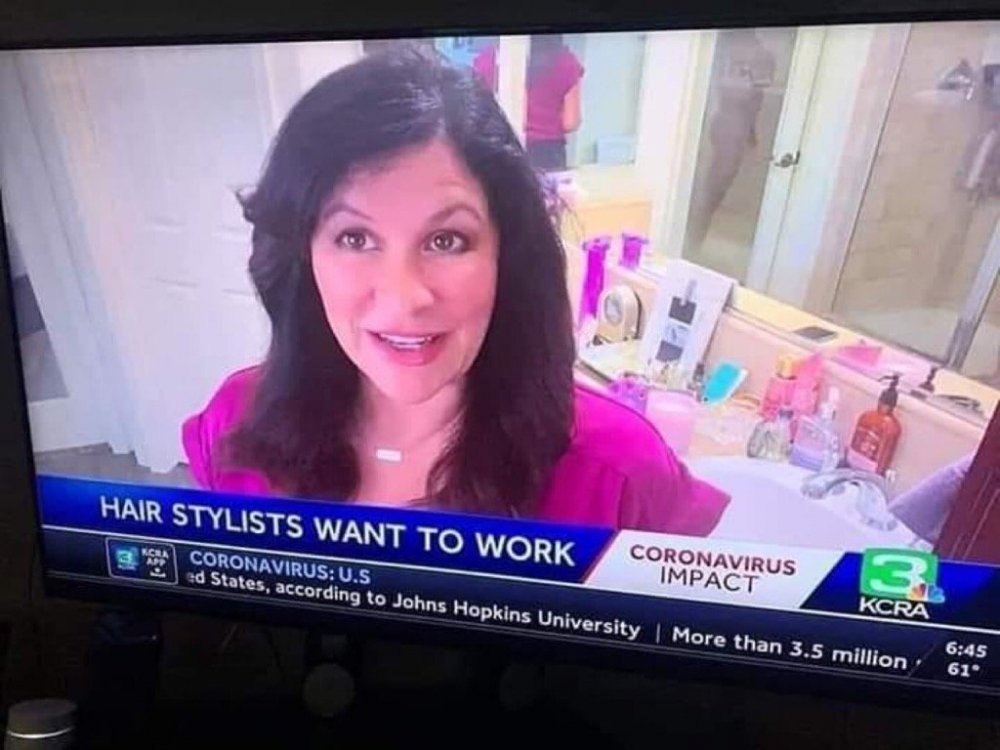
Reporter was filming a live segment in her bathroom about cutting hair and the camera caught more than she bargained for. Oops....
-
Thats funny!!!
-
Could your Isolation be going better?