
Evil Penevil
-
Posts
7,304 -
Joined
-
Last visited
-
Days Won
332
Content Type
Profiles
Forums
Events
Everything posted by Evil Penevil
-

Under 300 Baht ... And Good! (updated July 4, 2022)
Evil Penevil replied to Evil Penevil's topic in Restaurants and food
The Songkran water tossing has kept me indoors more than usual, so I was thinking of making a list of the good "under 300 baht" Western restaurants. Howver, the list of restaurants where you can eat farang food that costs less than 300 baht and isn't garbage would run to at least 95% of all restaurants in Pattaya that serve Western food. The qualifier "good" could narrow the list considerably, but there will always be disagreement over what's good and what isn't. In addition to the suggestions of specific restaurants - and that's been very helpful for me-, the main point to take away from this thread is that there are hundreds of restaurants in Pattaya that offer Western food and where you can eat well for less than 300 baht. The choice is broad and spans many types of Western cuisine: French, British, Italian, American, Australian, Mexican, German, Dutch, Scandinavian, etc. With both women and food, the options are almost limitless in Pattaya. What's undeniably garbage is the statement that Western meals under 300 baht are garbage. Evil -
Under 300 Baht ... And Good! (updated July 4, 2022)
Evil Penevil replied to Evil Penevil's topic in Restaurants and food
The Songkran water-tossing madness will put a crimp in my restaurant visits over the next five or six days, but here's a reminder of the kind of specials you'll find at many restaurants that serve farang food. I/ve never eaten at IRovers, so I can't comment on its food, but the price is reasonable, although cheaper can be found. Evil
-
A smoked salmon pizza is one of the very few things that could lure me out of my nice dry condo and into the water-throwing madness of Songkran in Pattaya. Sure enough, I got soaked and even worse, smeared with that goddamned white paste, both on the way to Bite Me and on the way back, but the special of the day was worth dripping wet clothes and the 240 baht it cost. If you only think of pizza in terms of the Italian-American variation with a tomato sauce and melted mozzarella, the Bit Me version might take you by surprise. It could just as easily (and accurately) be called Smoked Salmon on Round Flatbread, but that wouldn't be as much fun. Basically, the flatbread base was cooked separately and a generous portion of smoked salmon was placed on it after the base had cooled a bit. The capers and creme fraiche added the right touch; they complement of the delicate flavor of the salmon but don't overwhelm it. Plase excuse the poor quality of the pics. I don't dare take my DSLR camera with me during Songkran and used a waterproof compact camera instead. It's not very good for close-ups. Supposedly smoked salmon pizza was first made by celebrity chef Wolfgang Puck at his flagship restaurant Spago in Beverly Hills, CA. Modern food legend has it that Puck ran out of bagels one day and used pizza dough as a substitute. His smoked salmon pizza, topped with caviar, was big hit. Not much more to say, other than if you get a chance, don't hesitate to try smoked salmon pizza at Bite Me. Evil
-
Under 300 Baht ... And Good! (updated July 4, 2022)
Evil Penevil replied to Evil Penevil's topic in Restaurants and food
Yet another suggestion for a French restaurant serving top-notch food with prices under 200 and 300 baht: La Cantina (or Canteena) on Soi Rungland, not far from the intersection of Pattaya Tai and 3rd Road. Besides traditional French dishes, it also serves great pizza and homemade pastries that have been called the best in Pattaya in some reports. I haven't been there myself, so it's another place to visit after Songkran. This thread is certainly yielding me some promising suggestions of new restaurants to visit, or, like in the case of La Cantina, a reminder of a place I'd been planning to try but never got around to. So far, I have a very good feeling about this thread. Evil -
La Petite Planete- Updated Jan. 8, 2019
Evil Penevil replied to Evil Penevil's topic in Restaurants and food
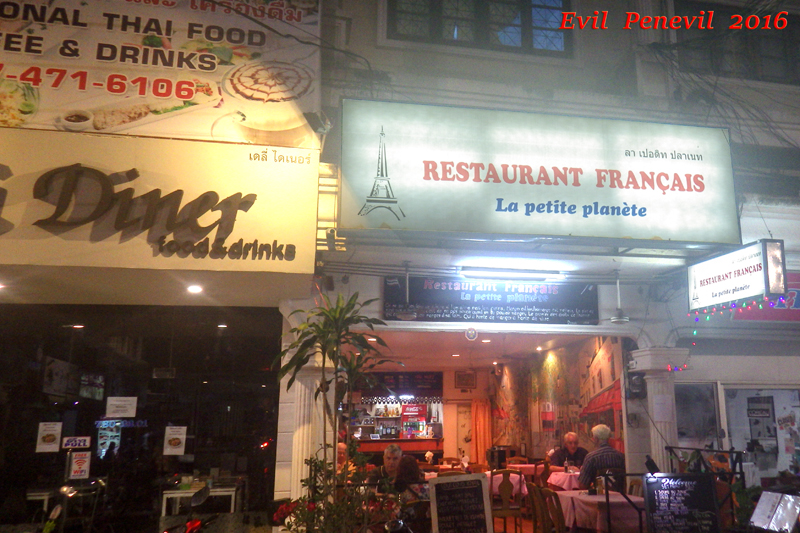
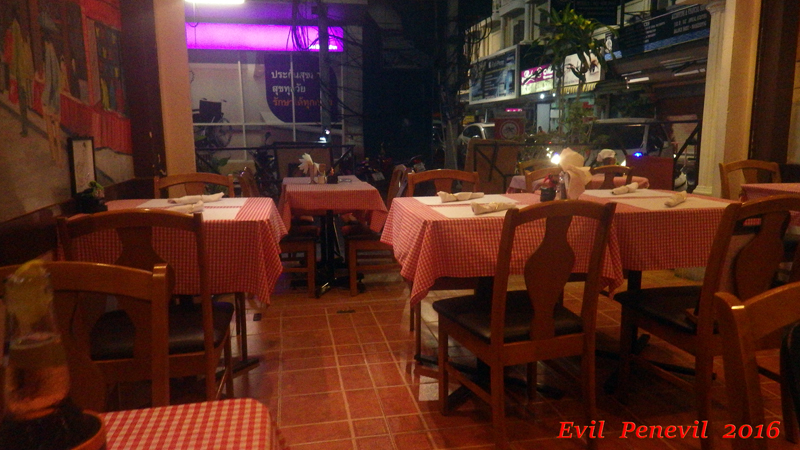
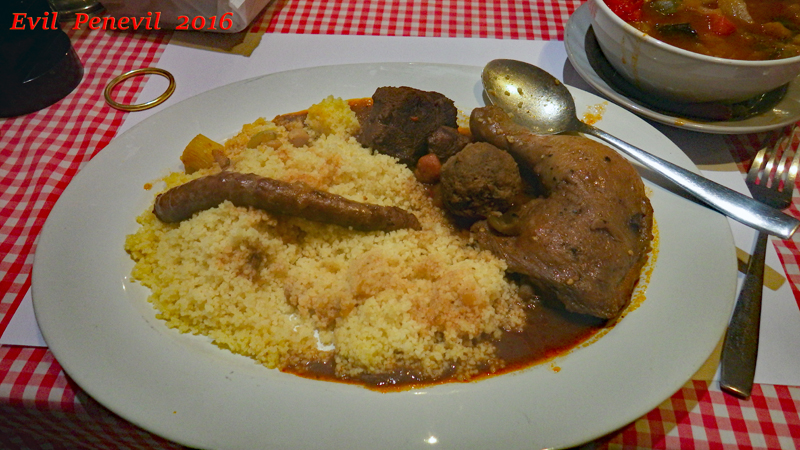
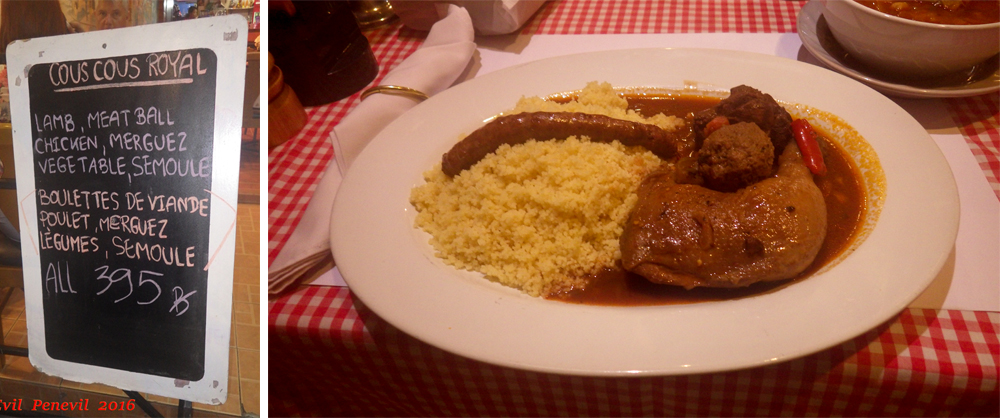
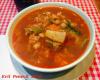
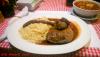
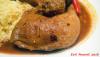
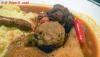
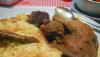
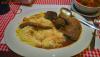
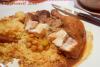
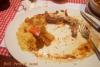
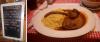
On Monday night, the last safe night before Songkran, I had planned to visit Deli Diner to try its four-course menu (299 baht) again. Turns out Deli Diner is closed Mondays, but no problem. I ate at La Petite Planete, which is exactly next door. When I lived in the viciniy, I ate frequently at La Petite Planete and never had a bad meal. Now I eat there only occasionally but the food still holds a consistently high standard. I was particularly happy to see the Couscous Royal (395 baht) was on offer Monday, as in the past, you've only been able to get it on weekends. La Petite Planete was nearly empty when I stepped in at about 7.00 pm ... but six more customers dribbled in while I was eating. I noticed four of them also ordered the Couscous Royal. It's a very large portion that includes chicken (leg and thigh); a chunk of lamb; a meatball; merguez, a spicy North African lamb sausage; a bowl of stewed root vegetables and chick peas; and a platterful of couscous. The vegetables yield a delicious sauce that is quite spicy, but the spiciness is nicely balanced by the blandness of the couscous. The meat components are tender and flavorful. I really like the bite of the merguez. Luckily, I hadn't eaten much on Monday, so I was able to do justice to most of the serving. I didn't walk away hungry, that's for sure. La Petite Planete also has a three-course set menu variation for 320 baht. Bottom line: La Petite Planete has been offering quality French foods for quite a few years and manages to remain very consistent. It will be interesting to see how it stands up to competition from its lower-priced next door neighbor. It's a rather curious coincidence that there are about six French restaurants in close proximity to each other near Tukcom. Evil

-
Under 300 Baht ... And Good! (updated July 4, 2022)
Evil Penevil replied to Evil Penevil's topic in Restaurants and food
I thought that might be the case as the buffet you had was so radically different from the one I had. I'll definitely put Aroi on the list of places to visit. Evil -
Under 300 Baht ... And Good! (updated July 4, 2022)
Evil Penevil replied to Evil Penevil's topic in Restaurants and food
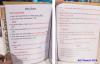
Thank you for your contribution. I don't visit the Naklua area very often and it's good to get suggestions for restaurants in North Pattaya. I visited Aroi last June and wrote a review on it. I wasn't much impressed the Sunday we went, but the buffet in your pics looks vastly better than the one in mine. i'm glad it has improved. I haven't made it to Rock Kitchen yet, but have certainly eaten a number of times at Bite Me. The daily specials are always under 300 baht and some go for 195 baht. Bite Me serves some of the best Western food currently on offer in Pattaya. The Deli Diner, which I recently reviewed in this section, has a four-course(!) set menu (salad, soup, main, dessert) for 299 baht. Fantastic value for money. There's a lot on the Deli Diner's menu under 200 baht. One response on another board suggested Restaurant Le Freelax near the Buffalo Bar. I'd never heard of it, but it's a small French restaurant that has a four-course set menu for around 220 (or maybe 250) baht. I plan on visiting it after Songkran. So many restaurants, so little time. Keep the suggestions coming. Evil
-
Under 300 Baht ... And Good! (updated July 4, 2022)
Evil Penevil replied to Evil Penevil's topic in Restaurants and food
The exact wording was, "Western meal: under 300 you get garbage..." It appeared on another Pattaya board (The Pattaya Club). Evil -
Under 300 Baht ... And Good! (updated July 4, 2022)
Evil Penevil replied to Evil Penevil's topic in Restaurants and food
Definitely the former and absolutely not the latter. Evil -
I recently read a statement that said if you pay under 300 baht for a Western meal in Pattaya, you get garbage. That's both unfair and uninformed, an attempt at a thinly disguised "hatchet job." I dislike deliberate attempts to unnecessarily besmirch the local eateries, the hardest of the services in which to succeed, and also the most prone when it comes to thoughtless reporting. . There are dozens of restaurants, probably several hundred, where you can enjoy good Western food under 300 baht. But rather than get involved in a meaningless exchange of opinions, I'm going to put my money, my camera and most importantly, my mouth, where my mouth is. I'll give examples of restaurants where it is possible to have a good Western meal for under 300 baht. I hope others will contribute their suggestions, with or without photos. There are far more restaurants in Pattaya than I'll ever have the opportunity to visit and I'm sure many of them offer good options under 300 baht. In central Pattaya, many, many farang-oriented restaurants offer daily specials under 200 baht and virtually all but the most expensive fine-dining places will have a main course on the menu for less than 300 baht. One tip: if any restaurant mentioned in this thread piques your curiosity, do a board search for it and you'll most likely come up with a lot more information But first, a couple of points of order. Since I'm responding to a statement about Western food, that would by definition exclude Thai, Indian and other Asian food. This thread isn't about where you can fill your belly for the least amount of money, but specifically about where you can get a good Western meal for under 300 baht. Also, it doesn't have to be the best food you've ever eaten, especially in comparison to what is available in the West. It should be good, as opposed to mediocre or bad, but not necessarily a peak culinary experience. The biggest test for me is, will I go back and order the same dish again? If I do, then the meal has been good. And the standard disclaimer: if you want to eat cheaply and well, you're best off sticking to Thai food. No doubt about it, you get the most bang for your buck by eating Thai food. However, very few farang visitors or resident ex-pats want to eat Thai food at each and every meal, so most are willing to spend a bit extra for farang food. I'll start off with Every Day is Fry Day, a popular restaurant in New Plaza for fish and chips as well other British comfort food. http://forum.thepattayaclub.com/uploads/monthly_04_2016/post-6485-0-70292000-1460356087.jpg Just about everything on the menu is under 200 baht. My personal favorite is the minced beef on mashed potatoes for 130 baht. http://forum.thepattayaclub.com/uploads/monthly_04_2016/post-6485-0-75601100-1460356093.jpg In the same vicinity, on Soi 7, you can eat well under 300 baht at O La La Restaurant. http://forum.thepattayaclub.com/uploads/monthly_04_2016/post-6485-0-46160500-1460356078.jpg Last night I had half a roast chicken with fries for 195 baht. The price hasn't changed since the above pic was taken in 2014, but the price of the weiner schnitzel has gone up to 175 baht. It was a nicely roasted half chicken that was very moist inside. I just wish it had come with stuffing instead of fries. http://forum.thepattayaclub.com/uploads/monthly_04_2016/post-6485-0-38367300-1460357488.jpg http://forum.thepattayaclub.com/uploads/monthly_04_2016/post-6485-0-12805300-1460357494.jpg http://forum.thepattayaclub.com/uploads/monthly_04_2016/post-6485-0-31822300-1460357498.jpg http://forum.thepattayaclub.com/uploads/monthly_04_2016/post-6485-0-87311100-1460357501.jpg http://forum.thepattayaclub.com/uploads/monthly_04_2016/post-6485-0-02700000-1460357505.jpg http://forum.thepattayaclub.com/uploads/monthly_04_2016/post-6485-0-05173600-1460359416.jpg The sauce (it wasn't thickened gravy) seemed to be the chicken juices and drippings enhanced with herbs. It carried a lot of flavor. http://forum.thepattayaclub.com/uploads/monthly_04_2016/post-6485-0-70701100-1460357515.jpg http://forum.thepattayaclub.com/uploads/monthly_04_2016/post-6485-0-08435200-1460357519.jpg http://forum.thepattayaclub.com/uploads/monthly_04_2016/post-6485-0-49156000-1460359424.jpg http://forum.thepattayaclub.com/uploads/monthly_04_2016/post-6485-0-59263800-1460357524.jpg Harry's Bar & Restaurant (on Soi Diana between Soi Bukhao and LK Metro) specializes in Swedish husmanskost (home cooking). http://forum.thepattayaclub.com/uploads/monthly_04_2016/post-6485-0-57016500-1460356299.jpg http://forum.thepattayaclub.com/uploads/monthly_04_2016/post-6485-0-32204400-1460356304.jpg Some of the dishes may not be familiar to non-Scandinavians, but all that I have had were tasty. There are a lot of dishes on the menu under 300 baht. http://forum.thepattayaclub.com/uploads/monthly_04_2016/post-6485-0-90902900-1460356307.jpg http://forum.thepattayaclub.com/uploads/monthly_04_2016/post-6485-0-40478400-1460356311.jpg A Swedish classic: meatballs with mashed potatoes and lingonberry (similar to cranberry) sauce and dill pickle slices for 195 baht. http://forum.thepattayaclub.com/uploads/monthly_04_2016/post-6485-0-06524500-1460356570.jpg http://forum.thepattayaclub.com/uploads/monthly_04_2016/post-6485-0-70354600-1460356578.jpg http://forum.thepattayaclub.com/uploads/monthly_04_2016/post-6485-0-42798800-1460356574.jpg Fried pork belly on a potato pancake, also with lingonberry sauce and for 195 baht. http://forum.thepattayaclub.com/uploads/monthly_04_2016/post-6485-0-64523900-1460356320.jpg http://forum.thepattayaclub.com/uploads/monthly_04_2016/post-6485-0-51196900-1460356324.jpg http://forum.thepattayaclub.com/uploads/monthly_04_2016/post-6485-0-95099100-1460356327.jpg Harry's also has Swedish mustard, which went well with the pork. http://forum.thepattayaclub.com/uploads/monthly_04_2016/post-6485-0-28353400-1460356331.jpg Cafe Pitini is another option for good meals under 300 baht. http://forum.thepattayaclub.com/uploads/monthly_04_2016/post-6485-0-00677400-1460356070.jpg I can't remember exactly how much the spaghetti bolognese cost, but it was well under 300 baht. http://forum.thepattayaclub.com/uploads/monthly_04_2016/post-6485-0-89232900-1460356046.jpg http://forum.thepattayaclub.com/uploads/monthly_04_2016/post-6485-0-37029500-1460356058.jpg The dish of grated parmesan was a nice touch. http://forum.thepattayaclub.com/uploads/monthly_04_2016/post-6485-0-09337500-1460359907.jpg This is just the first installment. There will be many more. Evil http://forum.thepattayaclub.com/public/style_emoticons/default/devil.gif
- 376 replies
-
- 11
-

-
I hope the OP comes back and clarifies whether he is talking about Air China, the flag carrier of the People's Republic of China (mainland China) or China Airlines, the flag carrier of the Republic of China (Taiwan). I've flown both and haven't had any particular problem with either, but I would definitely choose China Airlines over Air China. However, if I have a real choice, I'd avoid both. There are two big hassles with all mainland China airlines: 1) if you have a flight that connects through a mainland airport, you must have your onward flight validated at a special transit counter. That's where the goat rope comes in. The lines can be huge and it's very disorganized. Suddenly a group of 30 or 50 people will be ushered to the front of the queue. Waiting times of two or three hours aren't unusual for economy passengers. Because I fly biz and can use the priority lane, the longest wait I've experienced is 45 minutes, but that is goddamned bad enough. The airport simply doesn't have enough staff to handle the load in timely fashion; and 2) delays and cancellations are frequent and the mainland airlines provide very little support. That can be a true nightmare. Bottom line: avoid any mainland carrier if you can. Goat rope was originally cowboy slang. Novice cow herders began by learning to rope goats in a pen because it was less dangerous than trying to rope a cow. It would end up very confused, with people expending a lot of energy for little result. Evil
-
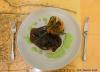
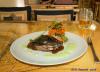
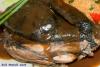
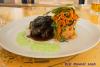
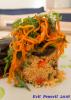
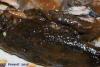
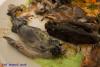
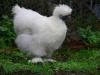
Here's the pics from my lunch at Bite Me. It was quiet around 2 pm, only four other guests. This was the day's special, black coq au vin with Mediterranean couscous. It cost 250 baht and a bottle of SML was 75 baht. The color of the chicken is unusual, but the taste is great. Coq au vin is a French dish that goes back to the Gauls and Romans. It's traditionally been a way to prepare the meat of older, tougher birds like roosters by braising them in wine, with lardons and mushrooms for added flavor. It's come down through the years as a rustic dish that became popular in the 20th century. However, it can be difficult these days to find roosters and other 'tougher" poultry that has a lot of connective tissue and stand up well to hours of slow cooking. That's why silkie chicken is a good substitute. It has a bit more gamey taste than agribusiness chicken which adds to the overall taste of the dish. As said, the cherry and wine marinade, as well as the slow cooking, tamed the gamey-ness but still left the meat with a lot of flavor. The bones were only thing left on my plate. Bite Me has distinguished itself by giving traditional dishes a new twist through creative use of non-traditional ingredients. The presentation of its dishes has also been striking. It terms of both taste and value for money, it's one of the best places to eat in Pattaya. Evil


-
Just had the black coq au vin for lunch; it was delicious. The Internet cafe where I'm sitting now won't let me insert my SD card, so I'll post pics later. The chef at the Rock Kitchen and her partner were also having the day's special while I was there. Not your KFC chicken. I had silkie chicken before in China. As said, it has a bit more gamey taste than Western industrial chicken, as silkies are genetically different and generally free-range. Of course, the slow cooking and wine and cherry marinade has done away with any gamey taste in the Bite Me version. The meat isn't jet black but more of a greyish color. The couscous, which also contained quinoa, was outstanding. So if you've ever been curious about a bit of black cock- I mean rooster- Bite Me's coq au vin would be a good place to start. Evil
-
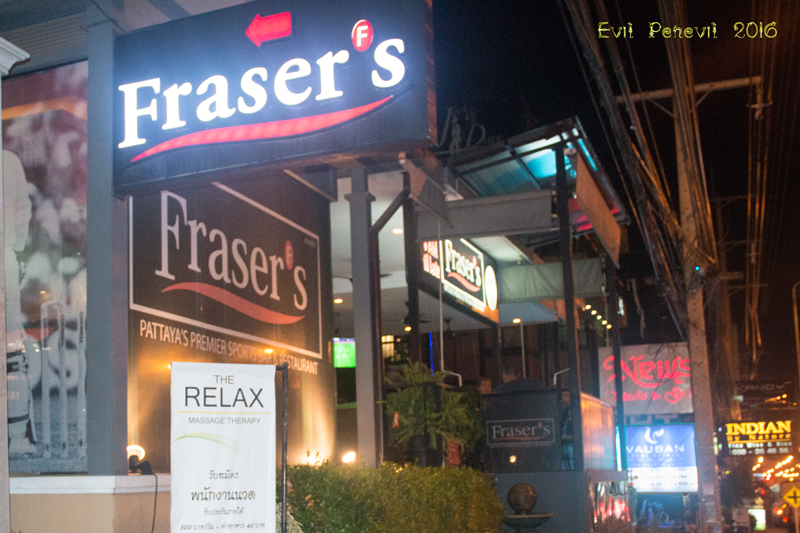
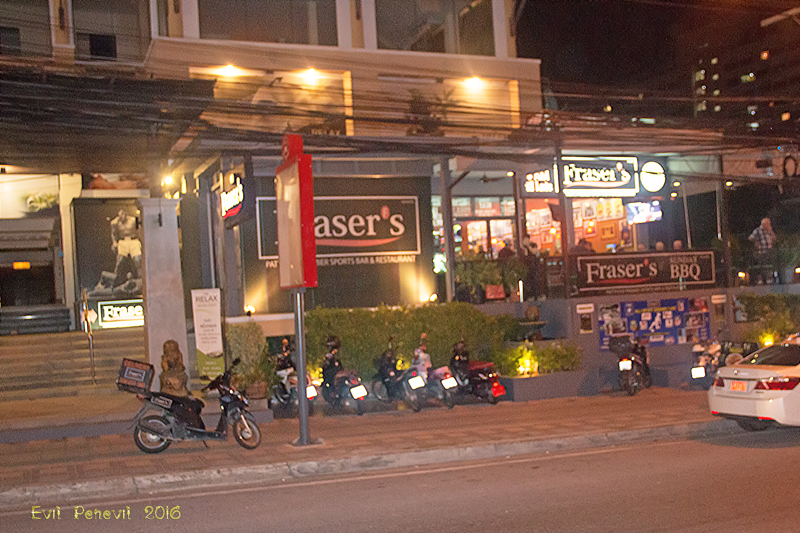
Fraser's on Thrappraya Rd in Jomtien
Evil Penevil replied to Evil Penevil's topic in Restaurants and food
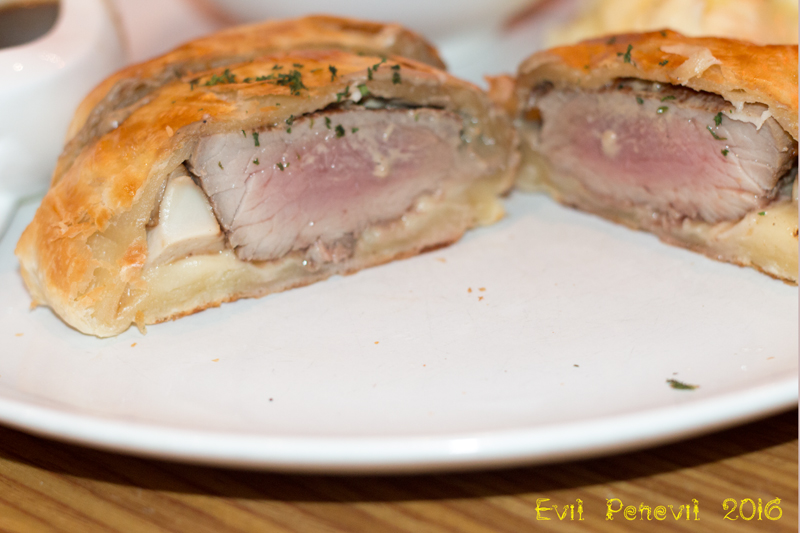
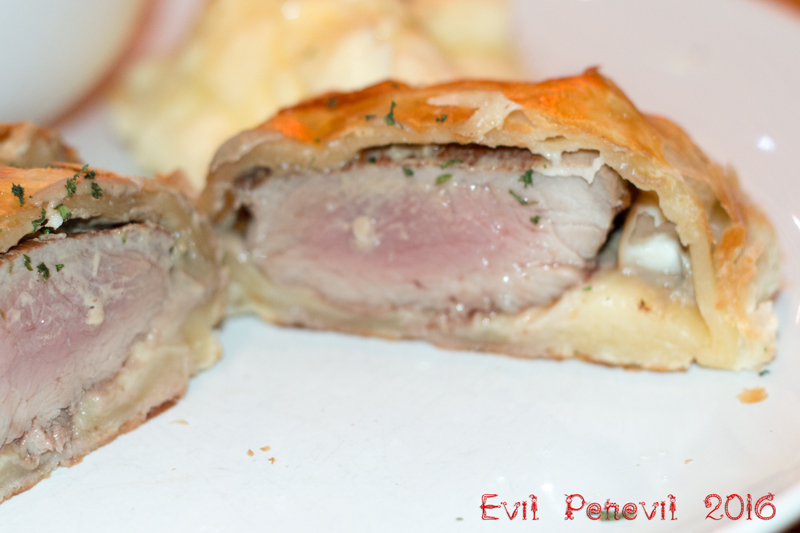
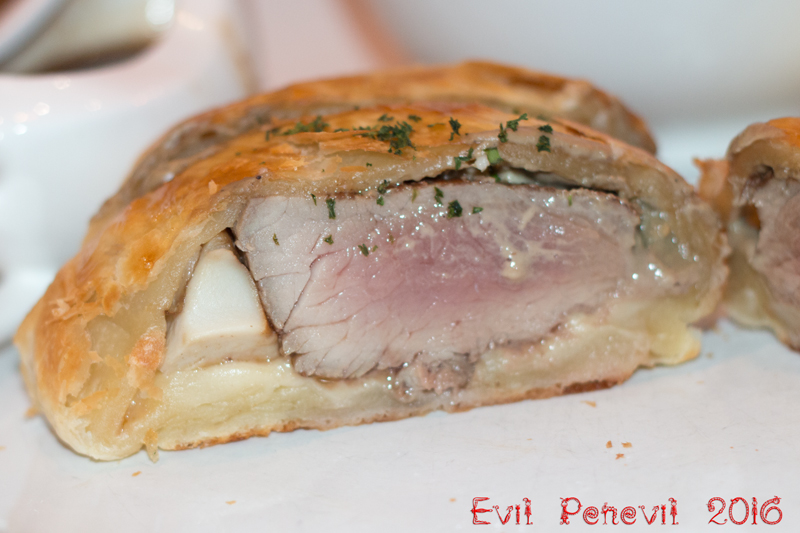
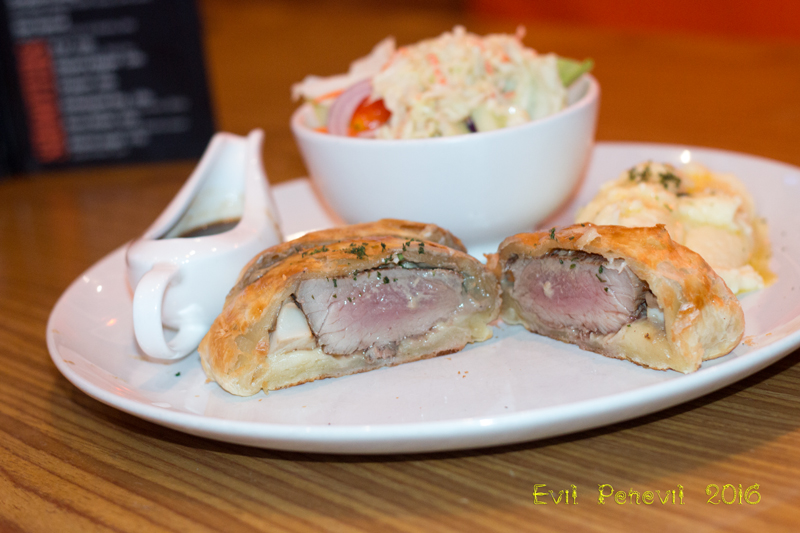
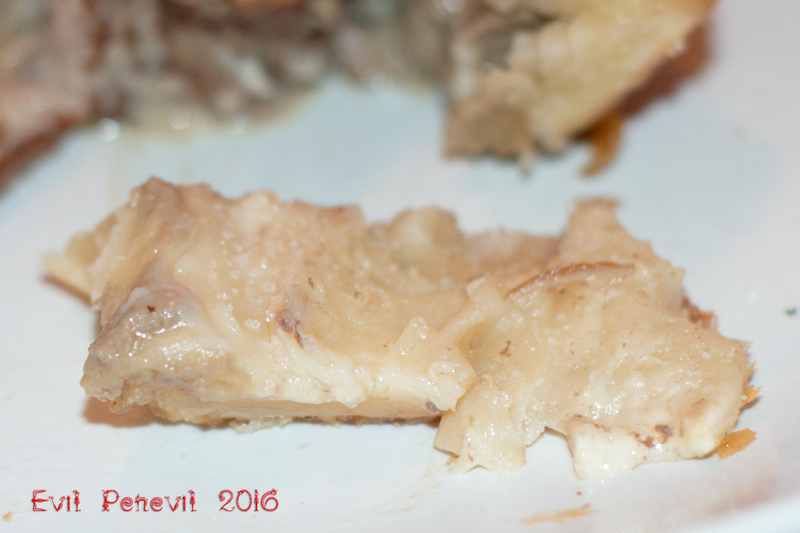
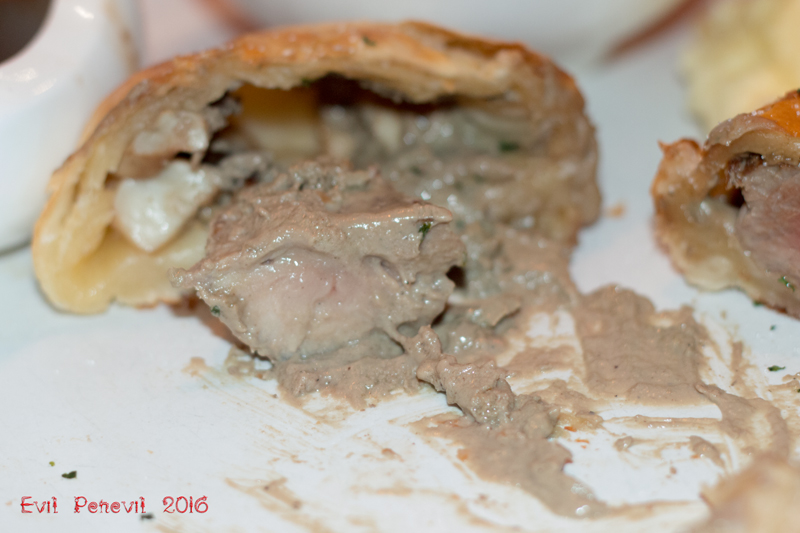
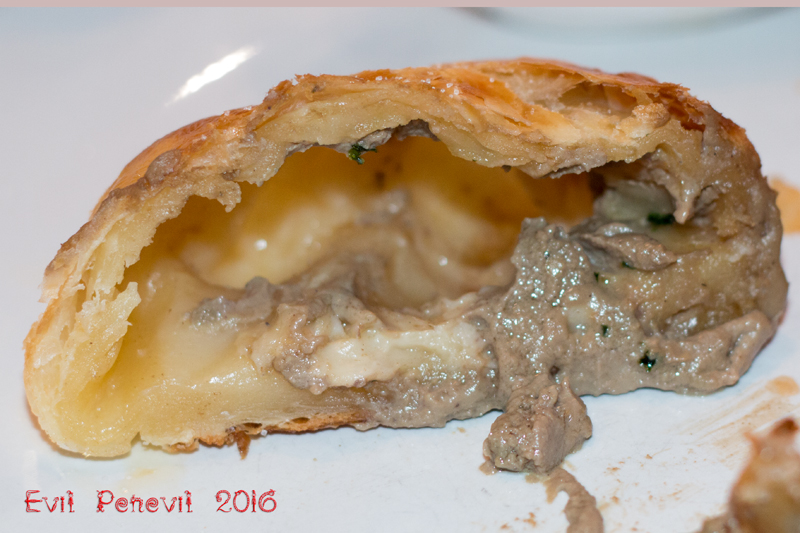
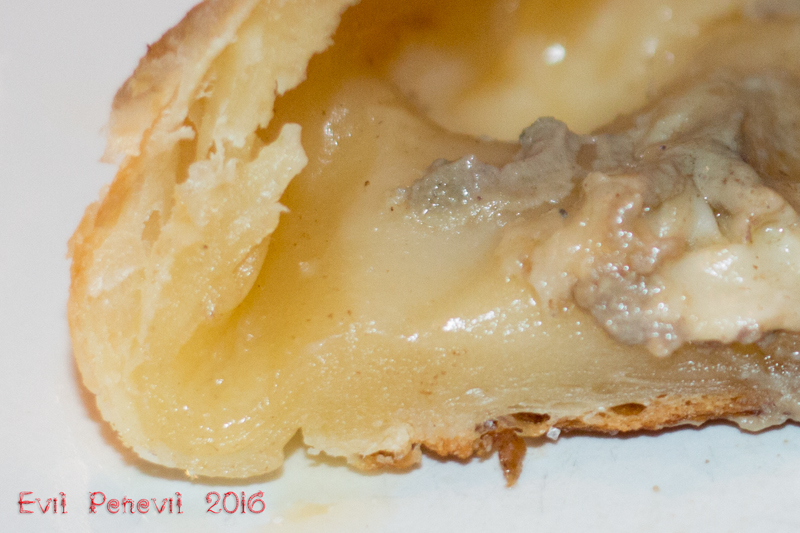
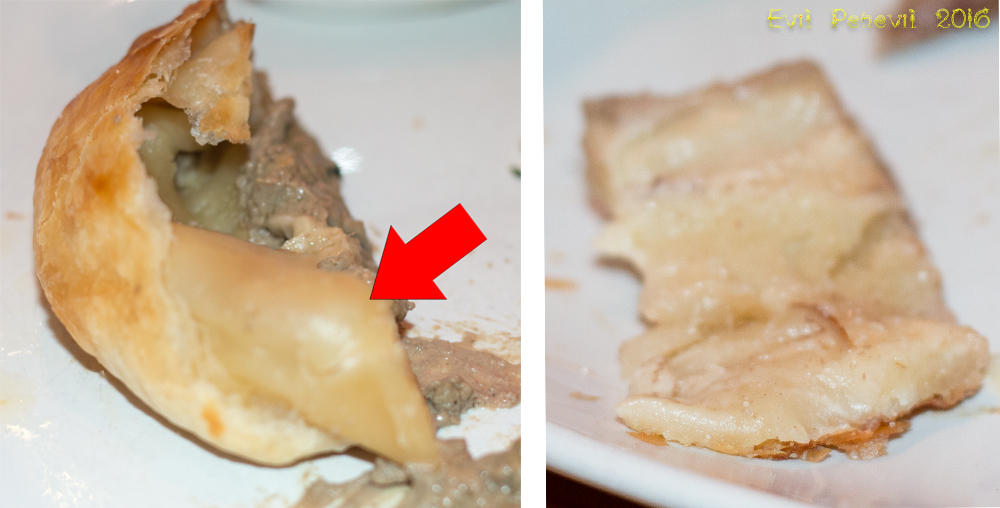
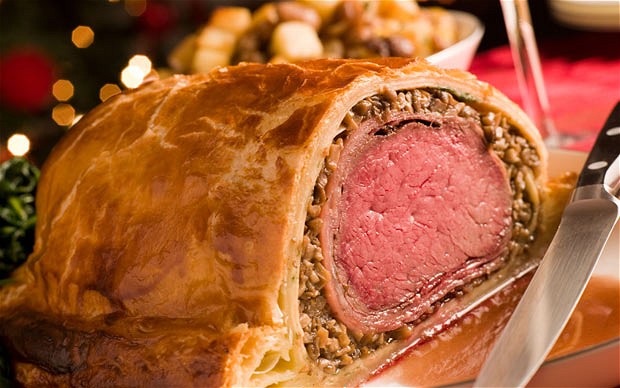
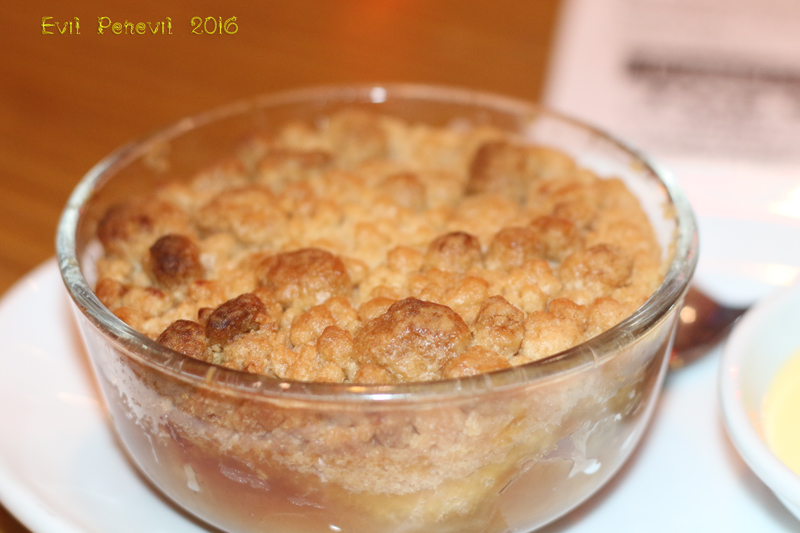
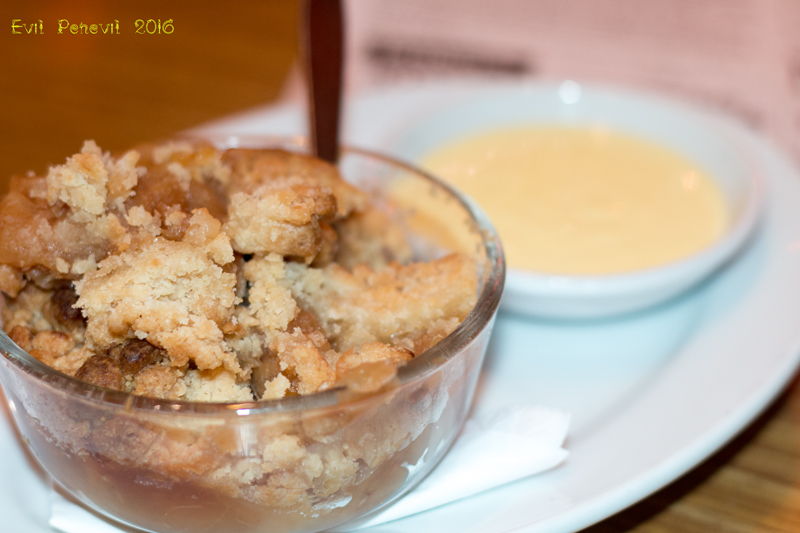
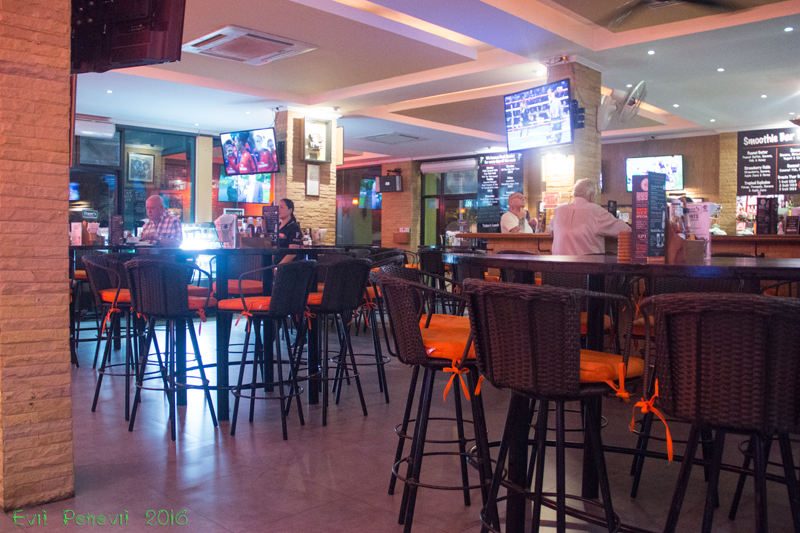
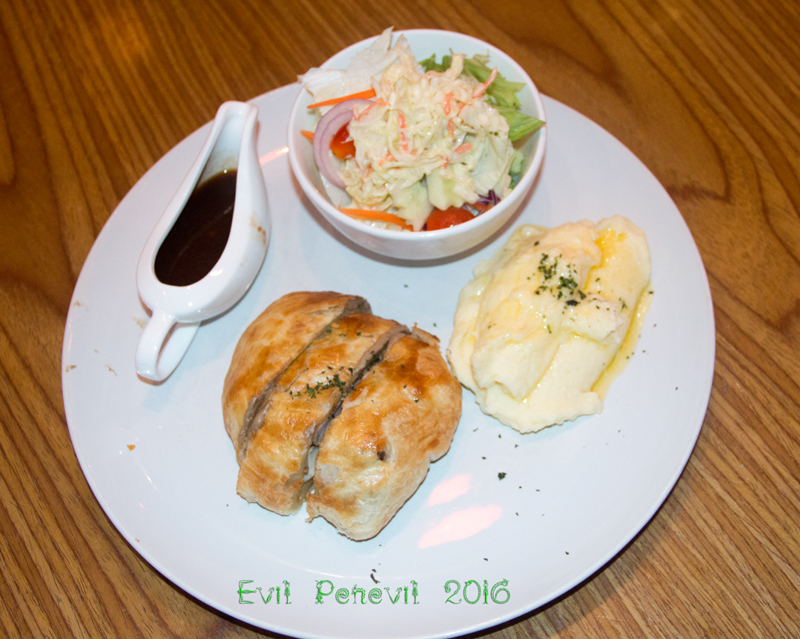
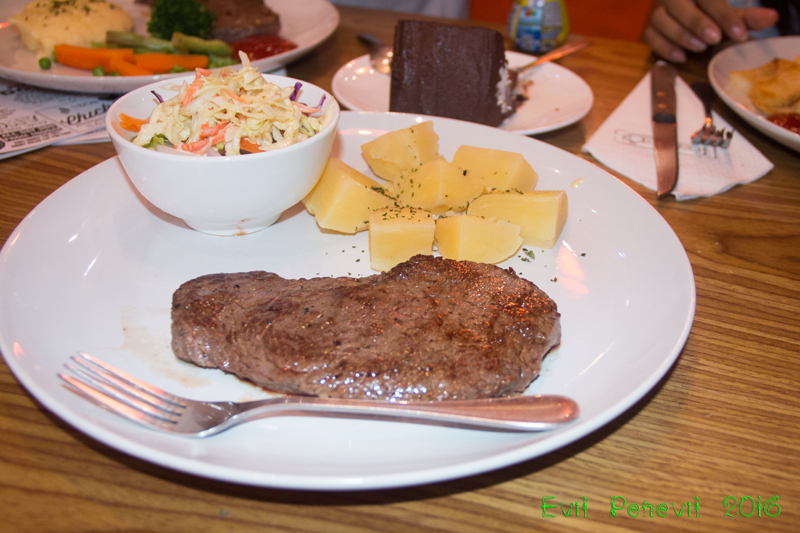
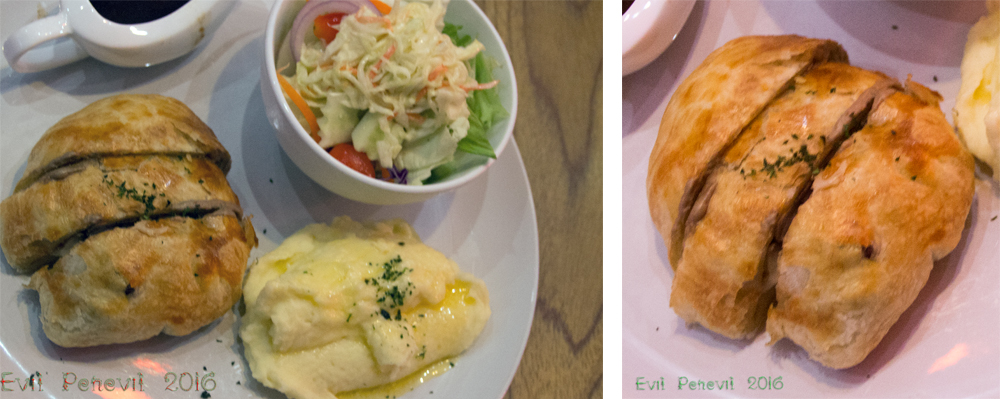
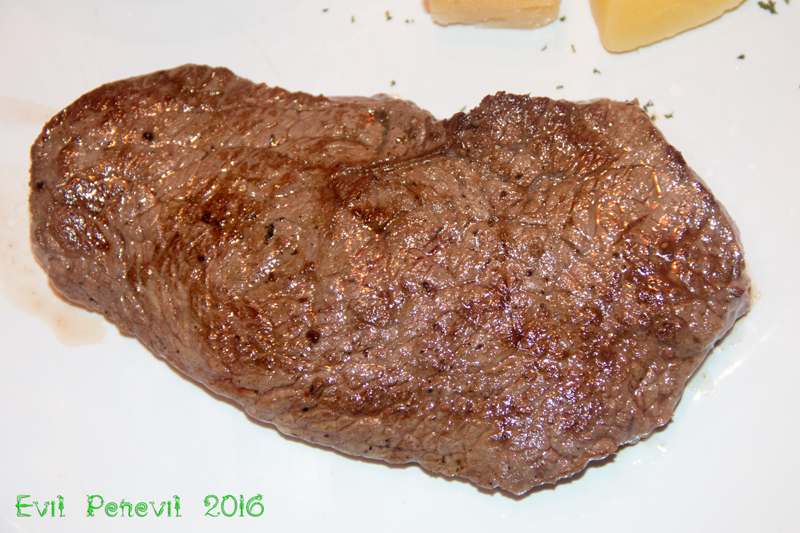
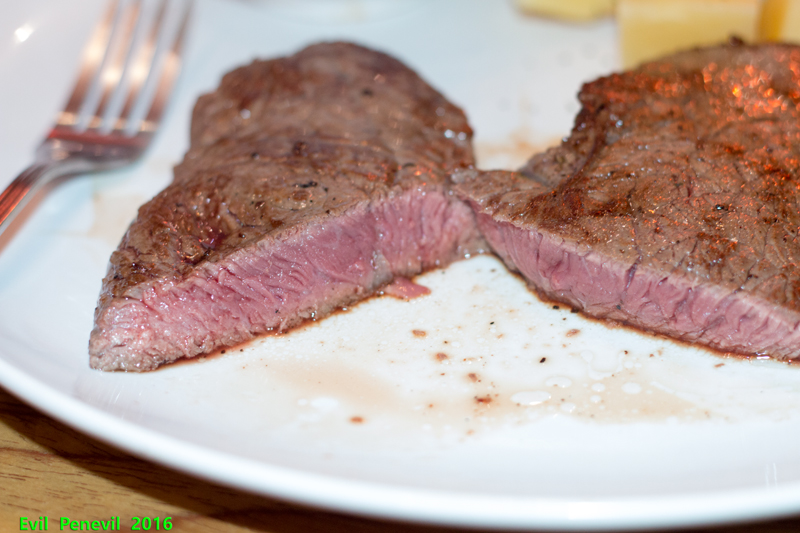
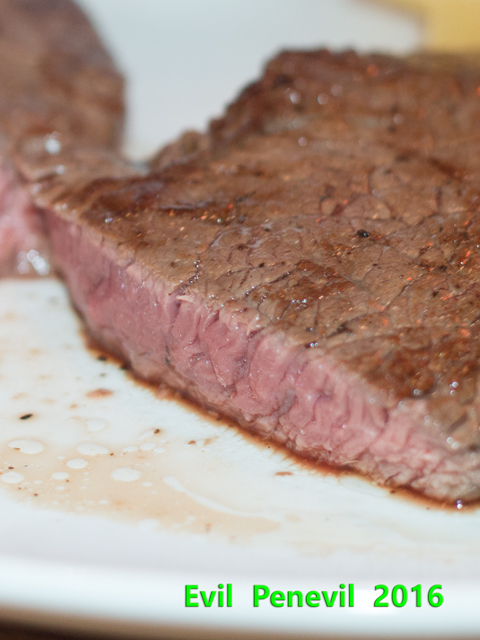
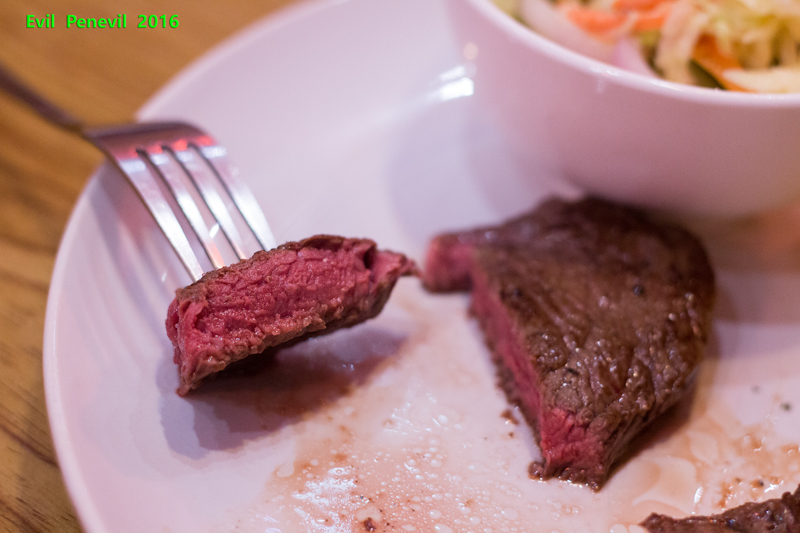
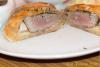
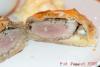
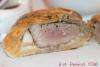
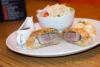
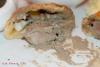
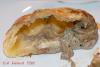
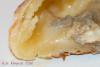
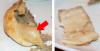
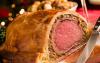
To recap: we were all satisfied with our Friday special wagyu steaks. I doubt the steaks had a marbling score above 1 or 2, but they were nevertheless tender compared with much of the beef that masquerades as steak in Pattaya. Australian wagyu with a marbling score of 4 to 5 corresponds to USDA Prime (the highest U.S. grade), so the steak at Fraser's was roughly equivalent to USDA Choice, which can still be quite tender. 350 baht is a good price in Pattaya for meat of that quality. I agree, the service is fine and food comes quickly even when Fraser's is busy. I also agree about the seating; in the main bar area, it's very uncomfortable except in the booths. However, Fraser's also has another dining area in a separate "family room," but I'm not sure how often it's brought into play. One cool thing about the booths is that they all have individual wall-mounted TV screens. Unfortunately, I don't have anything positive to say about the Beef Wellington I had recently at Fraser's. I had ordered it with considerable trepidation because I doubted it would be possible to offer an adequate Beef Wellington at 325 baht. It's a finicky and time-consuming dish to prepare and it's ingredients aren't cheap. My fears proved well-founded. On first glance, it didn't look bad. But when I examined it a bit closer and above all, tasted it, I found a lot that was wrong. Basically, it was inedible. Beef wellington is beef tenderloin that is covered with duxelles, a paste made from mushrooms and herbs and sometimes foie gras, then wrapped in pastry, usually puff pastry, and baked. Many variations exist and the seared tenderloin is often brushed with Dijon or English mustard for extra flavor. In modern recipes, the coated tenderloin is often wrapped in slices of prosciutto ham rather than foie gras. This is what Beef Wellington is supposed to look like: Fraser's Beef Wellington had been coated with English mustard and liver pate, which gave it a horrible bitter taste. Chunks of mushroom had been pressed into the pastry. The outer layer of the pastry had been browned, but the other layers were raw. In and of itself, the rather small pieces of tenderloin weren't bad once I scraped off the abominable coating. I'd asked for medium-rare and it came medium, but that was the very least of the problems. I pushed the food around on the plate so I could take the pics, but I didn't eat more than a mouthful and came close to spitting it out. The salad that came with the Beef Wellington was good (the same as with the wagyu steak) and I ate all of it. The mashed potatoes were watery and the only flavor came from a liberal dose of butter. Since I had plenty of room left after my one-bite main course, I decided to try the apple crumble. That was another mistake. It was 4/5s crumble with a layer of very thin apple slices on the bottom. The topping was sickeningly sweet even for my American tastes. The vanilla sauce was good, though. I've had a very mixed experience with Fraser's, but I wouldn't hesitate to eat there again. I have learned an important lesson: when eating in British pub-style restaurants in Pattaya, it's safest to stick to standard dishes. In the future, I'll leave fancy dishes like Beef Wellington to fancy restaurants. Evil


-
Tsunami Sushi Buffet on 3rd Road
Evil Penevil replied to Evil Penevil's topic in Restaurants and food
I have to emphasize that it really is necessary to call and reserve a table if you want to avoid a lengthy wait. The other night, my companion called around 7 pm, but was told nothing was available until 10 pm. That was too late, so we went elsewhere. No doubt, Tsunami is extremely popular among Thais. Evil -
Hickory Butcher - moved, but still the best
Evil Penevil replied to MM's topic in Restaurants and food
That's how my mom used to do my dad's steaks, except she first seared them for a few seconds at a very high heat on both sides. In her day, a lot of people believed searing "kept the juices in," but that's now known to be largely a myth. Searing developes flavor, but doesn't do much to seal in juices. My dad liked his beef very well done. The bake, rest and grill method was the only way to keep his steak a little bit moist on the inside. I thought the degree of "doneness" he wanted made the meat dry, tough and flavorless, but that's the way he liked it. He wouldn't touch beef that was the slightest pink inside and the surface had to be very charred. My mom would bake his steaks to an internal temp of about 150F, then the residual cooking during the resting period and the final turn in the grill pan would take to very well done. This is a good method for those who like well done meat, even though I'm firmly convinced overcooking ruins a steak. Evil -
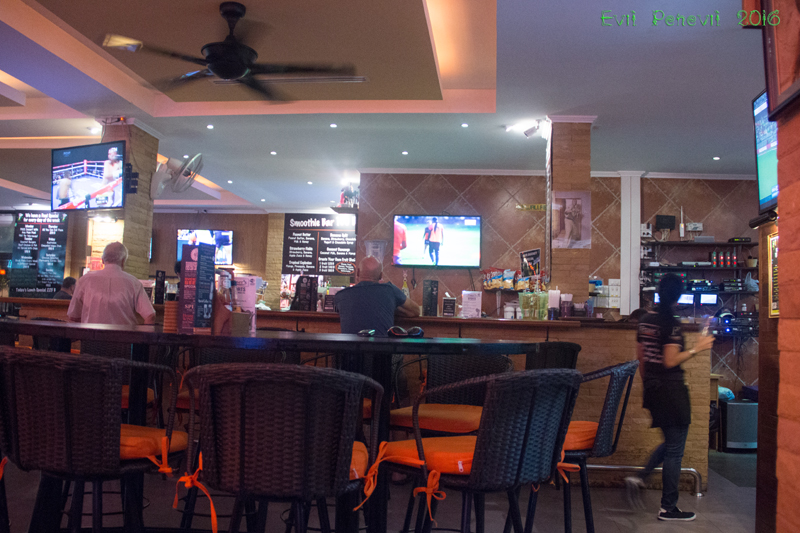
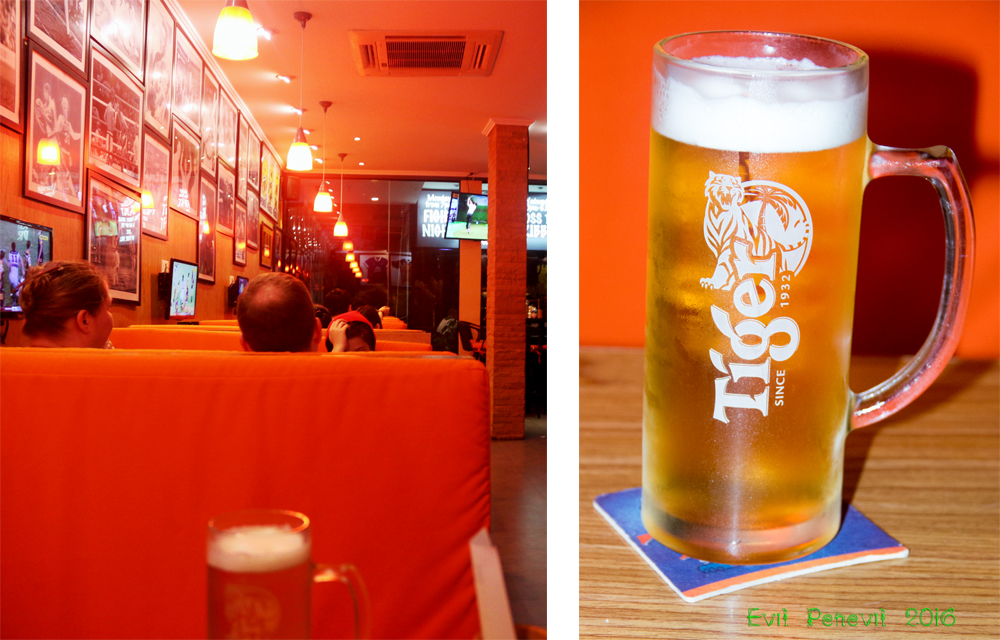
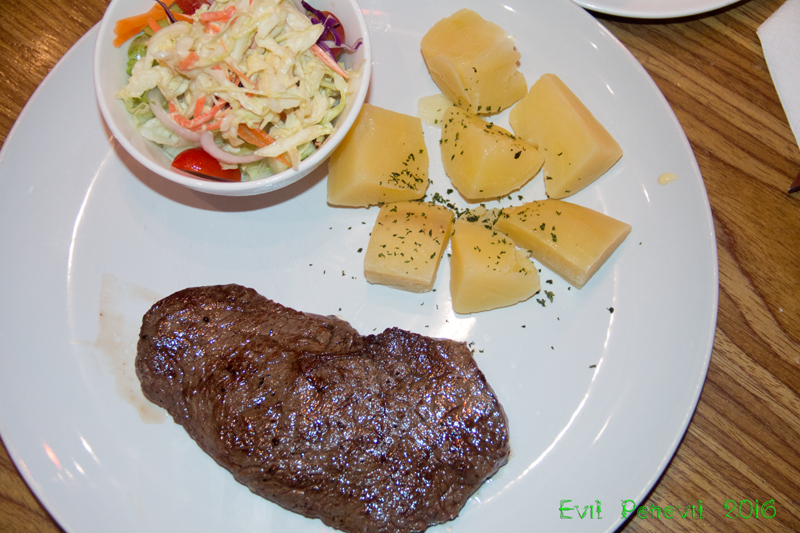
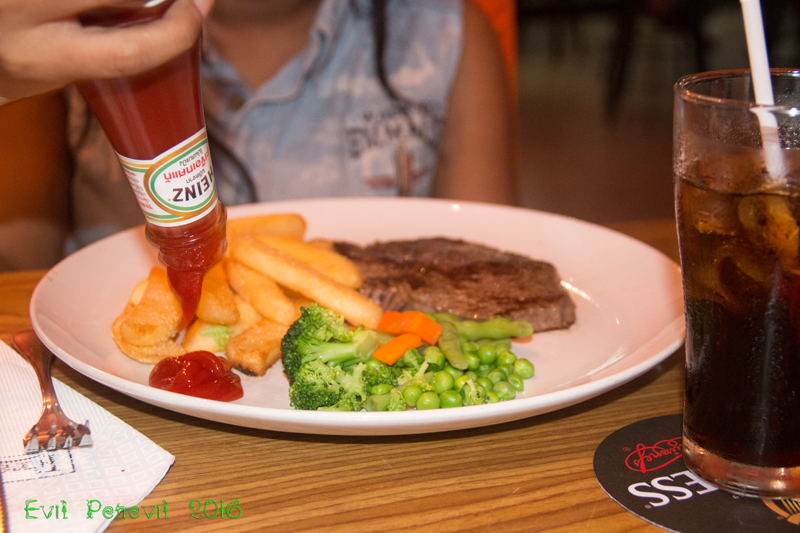
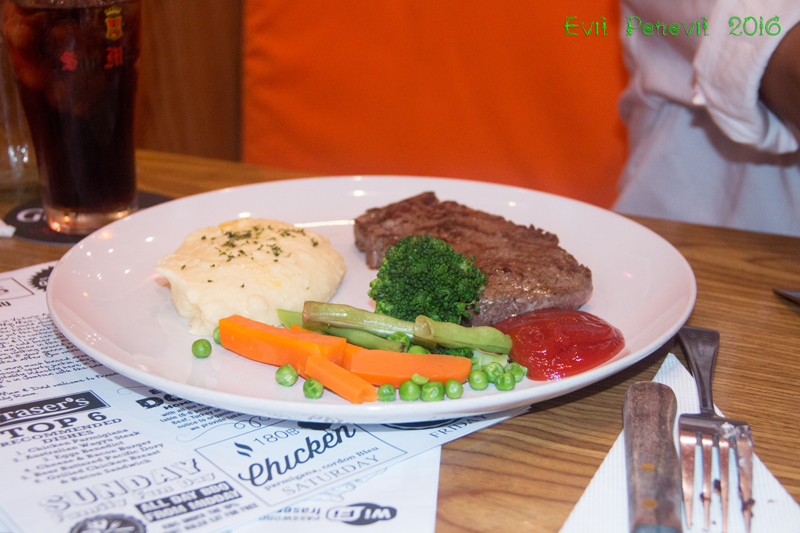
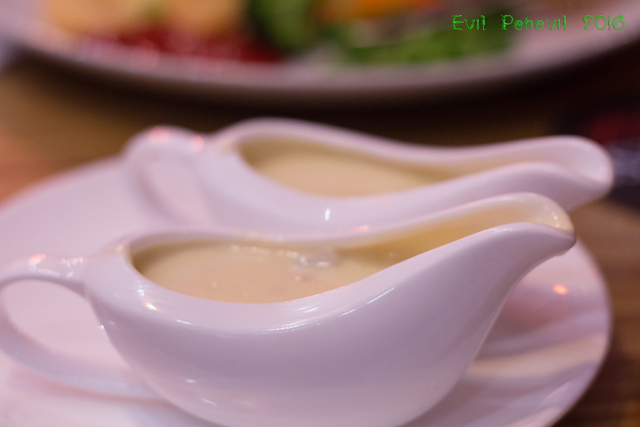
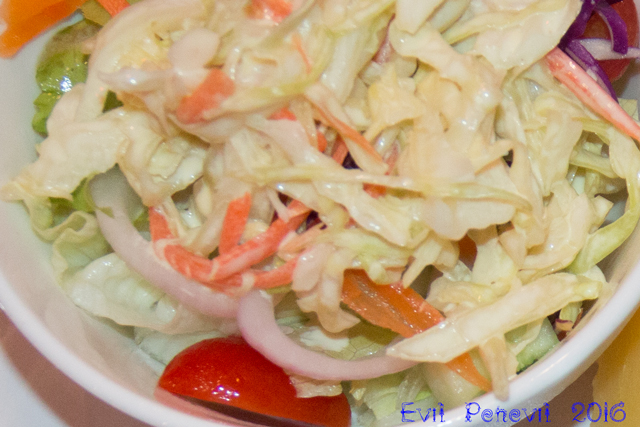
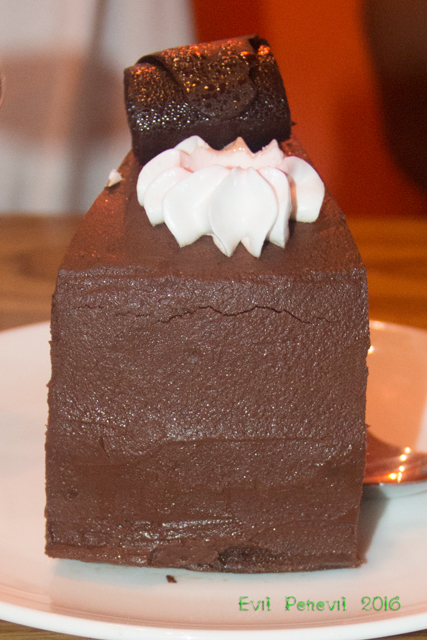
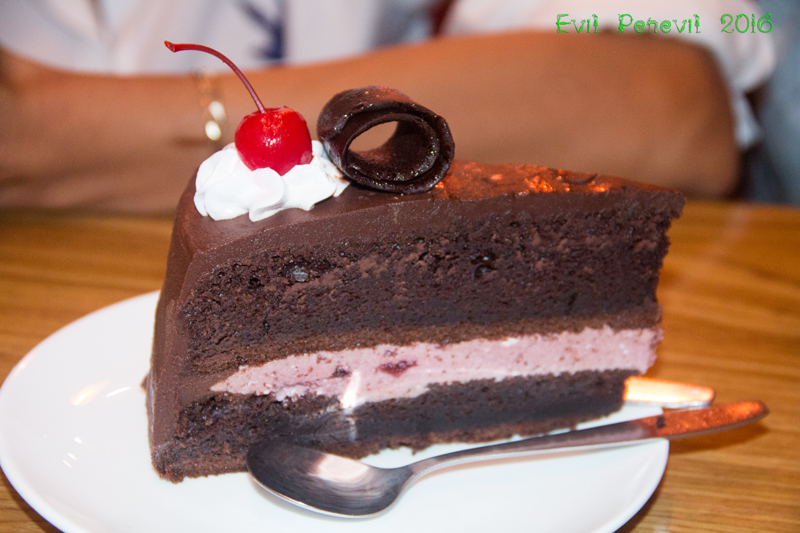
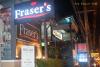
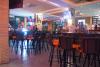
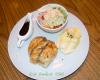
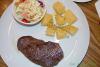
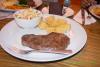
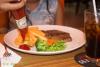
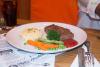
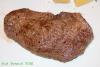
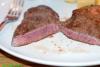
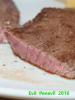
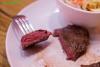
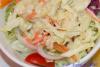
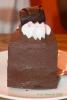
Fraser's is a popular sports bar and restaurant in the Chateau Dale Complex (above the News Cafe) on Thrappraya Road in Jomtien. When I lived in Jomtien a few years ago, I ate at Fraser's on several occasions and always found it offered good if unexciting pub-style food. It was always a nice place just to have a drink or watch sports in a non-girlie environment. I went back last week a couple of times to try two dishes: Beef Wellington (325 baht): and the Friday Wagyu Rib Eye Special at 350 baht: Since on both occasions I was there between 4 pm and 7 pm, I had the Happy Hour pint of Tiger at 95 baht. I'll start with the good news. The Friday wagyu rib eye was very tender but somewhat light on beef flavor. It came with a choice of potatoes and a salad or vegetables. I took salad and boiled potatoes, One of my dining companions had it with veggies and mash ... The other had veggies and the thick-cut chips, what would be called steak fries or maybe potato wedges in the U.S. It wasn't a giant steak, but I'm guessing it was 8 ounces (225 grams). We all ordered our steaks medium rare and that's how they were cooked: I wasn't bothered about sauce or gravy, but the ladies took what I think was supposed to be Bearnaise sauce. It had a very mild flavor, but they were happy to put it on their vegetables. The vegetables must have been cooked al detente and retained some taste; otherwise, my main companion wouldn't have eaten them. My salad was fine, a mixture of coleslaw and lettuce that worked well: The ladies split a formidable piece of chocolate cake (95 baht) between them for dessert: I'm getting worried about my Internet connection, so I'll finish my review in a second post. Evil



-
Tsunami Sushi Buffet on 3rd Road
Evil Penevil replied to Evil Penevil's topic in Restaurants and food
I'm much too culturally conservative to even contemplate inviting out another man's wife!! Evil
-
New promotion at BORDEAUX restaurant -10% and set oysters
Evil Penevil replied to Gtruch's topic in Restaurants and food
Naturally occurring bacteria in oysters can make you sick. The chances of toxic concentrations are greater in oysters fished from warm waters. That's the source of the old saying about only eating raw oysters in months with an "R," which excludes May through August. However, that applies to the waters off Northern Europe and the northern part of the U.S., not tropical countries. There's actually no safe period for Thai oysters. Moreover, oysters spoil easily and develop a different type of bacteria if not properly refrigerated. The chances of getting inadequately chilled oysters are greater from beach vendors than in restaurants. Squirting lemon juice or hot sauce on an oyster won't kill the bacteria, only cooking will. I believe the special at Bordeaux covers oysters imported from the north Atlantic, but you might want to check that. Evil -
Tsunami Sushi Buffet on 3rd Road
Evil Penevil replied to Evil Penevil's topic in Restaurants and food
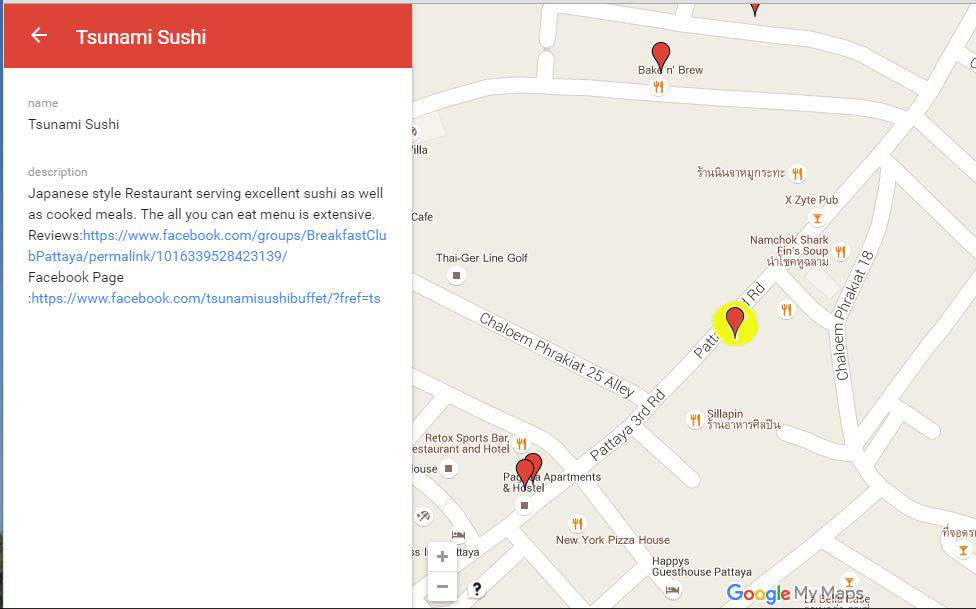
The tempura was the best I've had in Pattaya. Good to know about salmon roe and the liver, I'll be sure to order it every time I have sushi. Tsunami is located on the east side of 3rd Road between Soi Chaiyapoon and Soi Xcyte. I marked Tsunami with yellow on the map. It's up to MM or the mods to merge the threads, but I have no objection. Evil
-
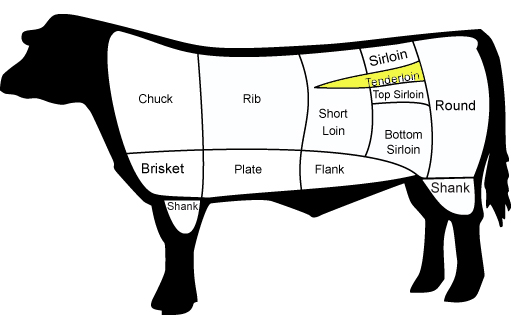
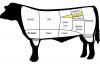
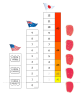
Beef from wagyu is mentioned quite often on the punter boards and the Facebook food groups. Unfortunately, there's a lot of confusion as to what it really is, resulting in stupid (and unintentionally hilarious) comments. I'm going to break down some commonly used terms, then give some background. Hopefully this information may be of help when you see "wagyu," "Kobe" and "tenderloin" written on a menu. Wagyu "Wa" means "Japan" or "Japanese style," while "gyu" means "cow" or "cattle," so wagyu translates as both "Japanese cow" and "Japanese-style cattle." Wagyu is NOT a specific breed of cattle, nor does it necessarily guarantee high quality beef, although some posters give it that (incorrect) interpretation. Just like there can be tough, poor-quality cuts of U.S., Australian, Argentinian, etc. beef, the same can happen with Japanese beef. Wagyu should refer to the geographical origin of the beef, nothing more or less. It gets complicated when we start talking about Australian or U.S. wagyu, i.e., Japanese-style cattle from Australia or the U.S. More about that later. Kobe beef This is the most misunderstood term of all. All Kobe beef is wagyu, but only a tiny fraction of wagyu (less than 1%) is Kobe. The only real Kobe beef comes from the Tajima strain of Japanese Black cattle which have been raised on 262 small farms in Hyogo Prefecture in Japan. The majority of these farms produce one to five animals a year and the most any farm produces is 15. To be considered genuine Kobe, strict standards set by the Kobe Beef Marketing & Beef Promotion Association have to be met. Only about 7,000 head of Tajima cattle are taken to market each year, of which about 5,000 carry the Kobe certification. In contrast, about 2.3 million beef cattle were slaughtered in the U.S. in 2015. The U.S. beef herd is currently estimated at 30 million and the total U.S. cattle herd (including dairy cattle) is about 92 million. In addition, Kobe beef and other top grades of wagyu aren't like the beef with which most of us are familiar. It is more like foie gras than American Porterhouse steak. In Japan, Kobe beef is eaten in very small portions, thinly sliced and barely warmed. Many say the only cooking a slice of Kobe needs is what it gets on top of a bowl of hot rice. There's no such thing as a 16-oz charcoal grilled Kobe steak, as high heat would destroy the characteristic flavor and texture of Kobe beef. Basically, top-grade Kobe beef can consist of 90% fat and 10% meat fiber. USDA Prime +, the top U.S. grade of beef, has a fat content of 10% to 13%. That's a hug difference that determines flavor, texture and preparation method. But before I get into more detail, I want to make clear that I'm writing about Kobe beef, not Kobe Bryant, the U.S. professional basketball player. In the past, I've been flamed for things I've never written, so I'm trying to be proactive here. Nothing in this post should be considered an attack on the National Basketball Association or the Los Angeles Lakers. That's a far-fetched and unreasonable interpretation of my post. Tenderloin The tenderloin (aka filet, fillet and filet mignon) is the most naturally tender cut of beef from any beef cow, no matter what it's breed, age or national origin. That's because it is considered the least used muscle on the cow's body. It's a very lean cut of meat, but the lack of fat also means it doesn't have much flavor. Tenderloin is therefore regarded by chefs as the favored cut of beef for dishes where tenderness is important, but a lot of the flavor comes from other ingredients. Examples would be Beef Wellington, Chateaubriand, Tournedos Rossini, Beef Stroganof and others. It's common for grilled tenderloin to be served with aromatic butter. The Details Some of the sillier comments on the Internet about wagyu are the result of sheer ignorance, but others depend on unrealistic expectations. A lot of Westerners have in mind the best steak they have ever eaten in terms of flavor, juciness and tenderness and imagine wagyu will be even better because it is more expensive. That's not always the case. The unique taste and texture of Kobe depends on extreme marbling, which is the distribution of fat among the beef muscle fibers. The amount of marbling largely determines the quality of the meat, as a steak gets much of its flavor and tenderness from the melting of intramuscular fat during cooking. Marbling is measured on the BMS (Beef Marbling Scale), with scores running from 0 to 12. It is generally accepted that top-grade meat from Western cattle like Angus can achieve a BMS of 5 at the highest, whereas the MINIMUM for Tajima beef to qualify as Kobe is 6. A BMS score of 10 would be considered excellent and only a few Kobe cattle a year reach 11 or 12. Take a look at the chart at the bottom of this post for more info. Genetics and centuries of breeding in geographic isolation have resulted in the Tajima and other wagyu breeds having marbling that is substantially higher than their Western counterparts. However, it's not just the amount of fat that makes meat from wagyu different. The chemical composition of the fat as well as the dispersion pattern of fat among the muscles is not at all the same as in Western cattle. When you factor in diet- wagyu are never feed on pasture grass- and a sedentary "lifestyle" for wagyu, the overall result is a radically different type of prime beef. Add to this that aging, especially dry aging, is important in imparting tenderness and flavor to Western beef. Traditionally, wagyu (and Kobe in particular) is not aged longer than the time it takes for the beef to go from the slaughter house to the end-users' kitchens. Tons of what's called "Kobe beef" are sold outside Japan, but extremely little of it is genuine. Demand for Kobe beef outstrips supply by an astronomical margin and nearly all the domestically produced Kobe beef stays in Japan. Prior to 2012, no Kobe beef was exported outside. Today, only 10%, which is equivalent to about 500 carcasses per year, is exported worldwide. Production can't be expanded because of the shortage of suitable land in Hyogo and the huge price it would command. But Japanese meat producers have allowed a limited number of wagyu cattle to be bred and raised in the U.S. and Australia. These cattle aren't necessarily the Tajima strain from which Kobe beef must come. They are often crossed with breeds like Angus to improve meat yield and bring the flavor of the beef more in line with what is considered a "good steak" in most countries. Here's where the problem arises. There are no strict standards regarding what can be called Australian or U.S. wagyu. Those words could mean several different things: 1) they could refer to pure-blood wagyu cattle bred and raised in those countries; 2) they could mean cross-bred cattle with 50% or more wagyu blood in their lineage; and 3) they could mean wagyu "influenced" cattle that are far less than 50% wagyu. In some cases, meat producers outside Japan have called their products "wagyu style" or "wagyu influenced" without the source cows having a drop of wagyu blood. They have based those claims on what the producers claim are the likeness of their meat to wagyu and possibly the fact that their cattle have been raised on a diet similar to wagyu. That's misleading, even dishonest, but it's not illegal because wagyu and Kobe aren't protected designations in Australia or the U.S. It comes down to this: a restaurant owner in Pattaya or elsewhere except Japan is free to call a hamburger made from domestic ground beef marinated in teriyaki sauce a Kobe or wagyu burger. A steak that comes a steer that's 95% Angus and 5% Japanese Black could be called U.S. wagyu. That would be unfortunate if you're paying U.S. $300 for an eight-ounce steak that tastes identical to a $30 Angus steak. So while there are no enforceable standards regarding what's Australian or U.S. wagyu, the reputable producers have set their own benchmarks. One Australian producer guarantees that its top-priced wagyu comes from cattle that are at least 75% wagyu and the meat has a BMS of 8. Highly regarded U.S. producers have similar standards. The same producers may also offer wagyu of a lower quality - usually a lower BMS - but the price will also be lower. Keep in mind that the top grades of steaks from Western breeds in both Australia and the U.S. have a BMS of 5. That's still top-quality beef in terms of tenderness and flavor. The extra marbling that pushes the BMS to 8 or above may not always impart a flavor that's appreciated by most Western diners. So how can you be sure you're getting what you pay for in terms of Australian wagyu in Pattaya? Until the steak is on your plate and you've cut into it, you can't. And that assumes you're able to recognize quality Australian wagyu when you get it. You have to trust that the restaurant owner is being honest and hasn't been deceived by an exporter, importer or wholesaler on the distribution chain. If you know the owner or aren't shy, you could ask from where he has sourced the beef, what the BMS is and what percentage of Japanese breed the source cattle is. He should be able to answer those questions, especially if he is charging a premium price for the steak. Evil
- 1 reply
-
- 7
-
-
I thought that was the Pig and Whistle on Soi 7, but maybe the Sportsman also did. I don't know. From what I read, the San Miguel Brewery donated the beer as part of a sponsorship agreement, but now that agreement has been canceled. Evil
-
Talk about unlucky timing. I just read on another board that Wednesday (March 30) was the final day for the hamburger, fries and SML special at 150 baht. I don't bother with the Facebook food groups any more, so I would have missed that announcement from the Sportsman's general manager. Evil
-
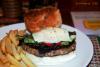
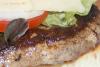
EDIT IN- The price of the Wednesday special described below is now 195 baht. I tried the Wednesday special at the Sportsman- hamburger, fries and a SML for 150 baht- and I was quite happy with my meal. The burger was good; the fries had improved dramatically since my previous visit; and the price is very much value for money. Here's what I got: I chose to add a slice of cheese for 20 baht. It was also topped with two small slices of tomato and a ring of raw onion. The bun was fresh and nicely toasted and the red oak lettuce leaf added a nutty and spicy touch to the beef patty. The beef patty itself was well-seasoned, which was a good thing, as the patty didn't have a strong beef flavor. The thick-cut french fries arrived hot and had been fried to outer crispness, although for my tastes, they should have stayed in the fryer a few more seconds. I realize this may in part be cultural rather than culinary; I know a lot of U.K. diners seem to prefer lightly fried fries. In any case, the fries were much, much better than last time. Can you find bigger and better burgers in Pattaya? Most definitely, but you'll be paying more than 150 baht for them. Considering the special at the Sportsman includes a SML, it's well worth the price. Evil


-
Tsunami Sushi Buffet on 3rd Road
Evil Penevil replied to Evil Penevil's topic in Restaurants and food
They have fixed prices on various sushi and sashimi "sets" and combinations that can be "taken away," but I don't think it is a significant part of their business. The big attraction of Tsunami is "all you can eat" at a fixed price. Should you want to enjoy Japanese food in more peaceful surroundings, Yamato on Soi 13/1 near Beach Road would be a good choice. Evil